
Your skin does its most important work while you sleep. As the day winds down, it shifts from defense to recovery, which makes the hours before bed the ideal window to support real change. A considered nighttime skincare routine works with that biology instead of against it, helping you wake to calmer, more hydrated skin.
This guide breaks down each step, from double cleansing to acid exfoliation, bioactive facial oils, and hydrating overnight treatments. You’ll learn why night is the best time for active ingredients, how often to exfoliate, and how to match each product to your skin type. Our curated evening routine brings these steps together in one place.
At Josh Rosebrook, every formula is built on organic, wildcrafted, and plant-based actives, so each step does measurable work. This is where beauty sleep becomes a method, not a cliché, and where a few minutes of self care compound over time. No matter your skin type, the right nighttime sequence turns those quiet minutes into genuine skin repair.
Why Night Is the Best Time for Active Ingredients
Skin operates on a clear daily rhythm. During daylight hours it works in defense mode, managing UV exposure, pollution, and other environmental stressors. After dark, the balance tips toward repair. Research in the Journal of Clinical and Aesthetic Dermatology notes that skin permeability rises in the evening and that the repair of UV-damaged cells peaks overnight. In practical terms, this is when skin cell renewal overnight reaches its most active phase.
That shift is why the best skincare routine at night looks different from your morning one. Mornings call for protection, with antioxidants and sunscreen doing the heavy lifting. Nights are for replenishment. Active ingredients like retinoids and exfoliating acids work more efficiently when nighttime skin is primed to absorb and rebuild, and they avoid the sun sensitivity that makes daytime use tricky.
It also explains a familiar frustration. Skin loses more water at night through the surface, so products that simply sit on top tend to underperform. Pairing water-binding humectants with replenishing lipids gives the skin what it needs to hold moisture until morning. Build around that logic and every step starts to pull its weight.
Step One: Double Cleanse to Remove the Day
Everything in a nighttime routine depends on a clean surface. After a full day, skin carries makeup, sunscreen, sweat, and airborne debris that a single wash rarely clears. A double cleanse solves this in two passes.
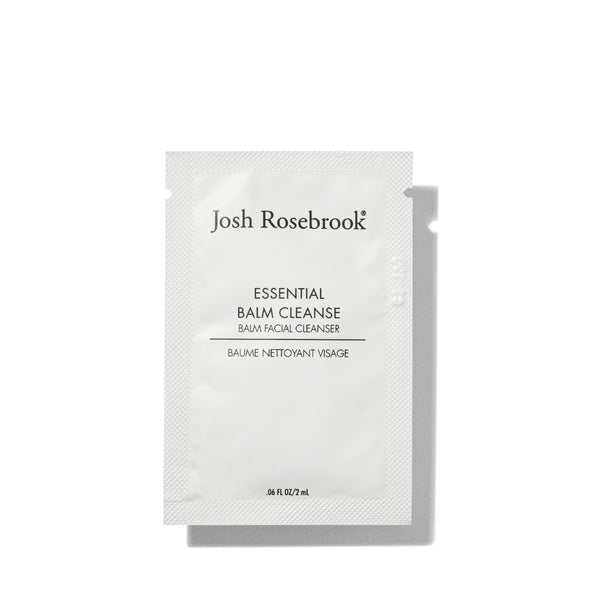
The first pass uses an oil based or balm cleanser to break down makeup, SPF, and excess sebum. Oil dissolves oil, so this step lifts what water alone leaves behind. Essential Balm Cleanse melts over dry skin and rinses clean, taking the day’s buildup with it. The second pass uses a water-based cleanser to remove dirt, sweat, and any remaining impurities.
Complete Moisture Cleanse refreshes the skin without stripping it, leaving the acid mantle intact. You can explore our full range of plant-based cleansers to find a pairing that suits your skin type, from balm textures to creamier washes.

Double cleansing matters most on days you wear makeup or sunscreen, which is to say most days. The key is restraint. A gentle cleanser clears the skin without that tight, squeaky feeling that signals a compromised barrier. If your skin feels parched after washing, the formula is too aggressive for nightly use.
Step Two: Exfoliate With Acids Two to Three Times a Week
Exfoliation clears the dead skin cells that dull the complexion and block other products from absorbing. At night, chemical exfoliants do this gently, dissolving the bonds that hold spent cells to the surface rather than scrubbing them away.
Two to three times a week is the sweet spot for most people. Over-exfoliating irritates the skin and weakens its defenses, so more is not better here. Daily Acid Toner uses a blend of exfoliating acids to refine texture and support visible skin renewal, sweeping away buildup so serums and oils can reach deeper layers.

Use it on the nights you are not applying a retinoid, since layering strong actives together can overwhelm the skin. Our exfoliating acid toners span gentle to more active formulas, so you can match the strength to what your skin can handle.
If your skin is sensitive or reactive, start with one night a week and build up slowly. Those with congestion or blemish-prone skin often benefit from acids that target the pore lining, while drier skin types may prefer gentler lactic-acid formulas. The aim is steady refinement, not a reset that leaves skin raw.
Step Three: Layer Targeted Serums for Your Skin Concerns
With clean, prepped skin, this is the moment to apply serums. Serums carry active ingredients in a concentrated, lightweight form, which lets them target specific concerns more directly than a moisturizer can. Layer them from thinnest to thickest, pausing a moment between each so every serum has time to settle.
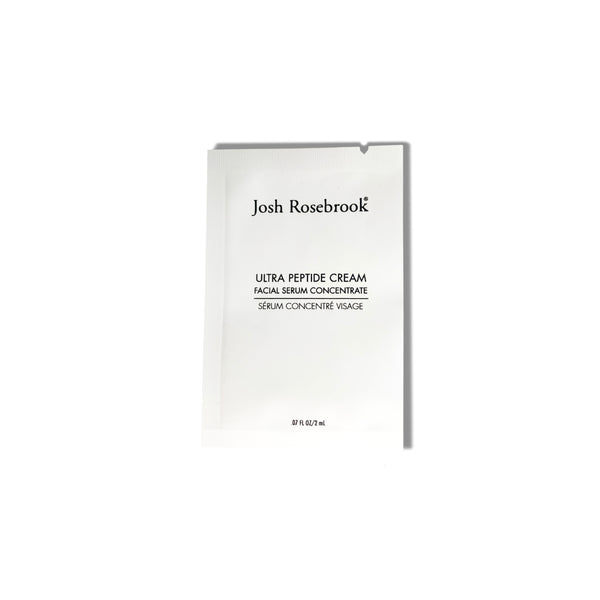
A hydrating serum is a smart first layer. Hyaluronic acid holds up to 1,000 times its weight in water, drawing moisture into the surface where nighttime water loss is highest. From there, a vitamin C serum like C Complex Serum brightens and evens tone, while a peptide-rich option such as Ultra Peptide Cream supports more supple, resilient skin. Niacinamide is another nighttime favorite, helping to balance oil and improve uneven skin tone over time.

The eye area deserves its own step. The skin there is thinner and shows fatigue first, which is why a dedicated eye cream or serum helps soften the look of fine lines and dark circles. Eye Area Complex delivers targeted nourishment to this delicate zone. For deeper work, our targeted serums let you build a custom approach, focused on tone, texture, or whichever skin concerns matter most to you.
How to Layer Your Treatments Safely
Layering is about order and spacing, not quantity. Apply the lightest, most water-based formulas first and finish with the richest, giving each layer a moment to absorb before the next. Keep your strongest actives apart, using exfoliating acids on one night and a retinoid on another rather than stacking them, since together they can overwhelm even resilient skin. If your skin runs reactive, buffer a strong active by applying it over a thin layer of moisturizer. The goal is a sequence your skin can absorb, not a pile of products.
Step Four: Seal It In With Facial Oils and a Night Moisturizer
The final steps lock everything in. Facial oils replenish the lipids that keep the skin barrier strong, and they suit the night because richer textures have hours to absorb. Active Infusion Oil pairs a plant-derived retinoid with vitamin C, delivering renewal benefits with less of the irritation that synthetic formulas can cause.

For anyone exploring retinol alternatives at night, plant-derived actives like this offer a gentler route to smoother texture and softened fine lines. Choose your oil by skin type. Drier skin loves a few extra drops of a nourishing, lipid-rich oil, while oily or combination skin can use a lighter touch. Our bioactive facial oils range from concentrated treatments to everyday blends, so there is a fit for every skin type and season.
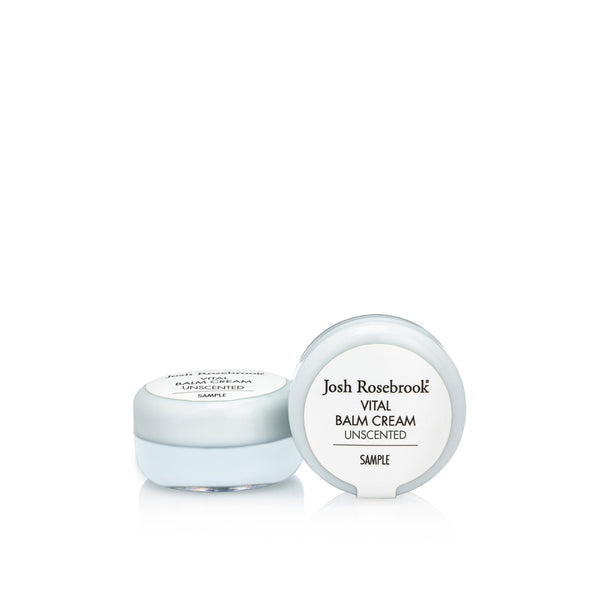
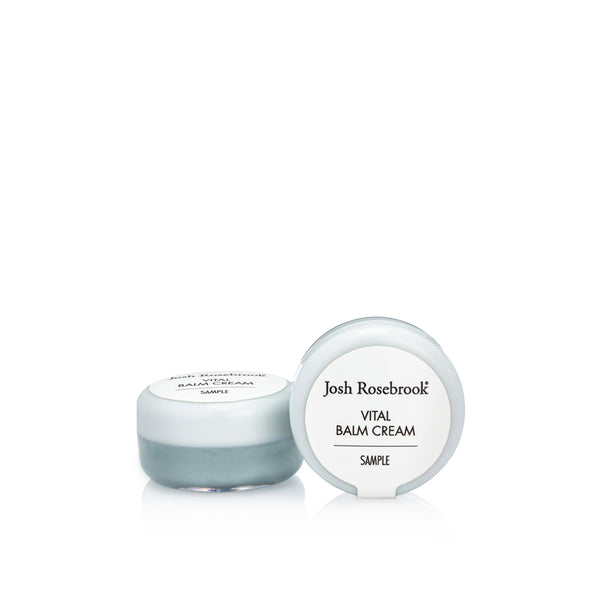
A moisturizer is the seal. It traps the layers beneath it and slows the water loss that peaks overnight. Ceramides are the standout here, helping to lock in moisture and reinforce the barrier until morning. Vital Balm Cream is a rich cream that nourishes dry, depleted skin without feeling heavy, making it a reliable nourishing moisturizer for the colder months. Browse our nourishing moisturizers to find the weight that matches your skin.
Step Five: Add an Overnight Mask for Extra Recovery
Once or twice a week, you can add a treatment mask as the last step. Worn overnight, a hydrating mask acts like a sleep mask, sitting on the surface to lock in hydration and seal the actives applied beneath it.
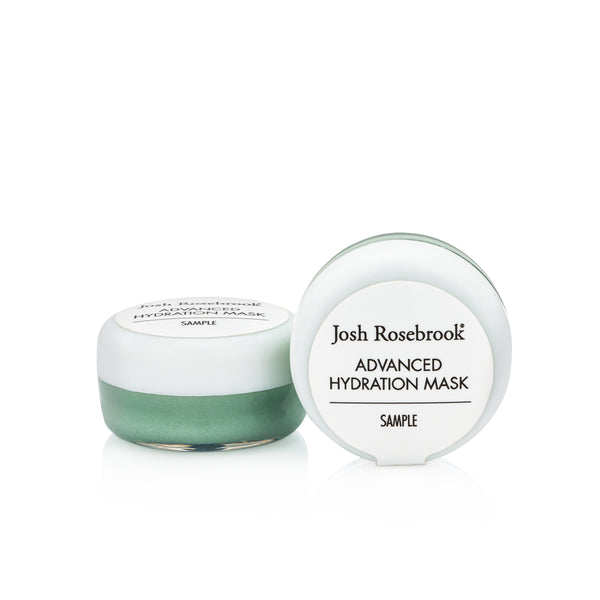
You wake to plumper, more comfortable skin. This step is optional, but it earns its place during travel, seasonal changes, or any stretch when skin feels tight and depleted. An overnight recovery mask from our treatment range pairs humectants with replenishing plant oils to restore water content where the skin has lost it. Advanced Hydration Mask is a strong choice for dehydrated skin, delivering added hydration without clogging pores.

A quick clarification helps here. Dry skin and dehydrated skin are not the same. Dry skin lacks oil and responds to lipid-rich creams and facial oils. Dehydrated skin lacks water and can affect any skin type, including oily skin, so it calls for humectants like hyaluronic acid and glycerin. Matching the mask to the right concern is what makes this step work.
Putting Your Nighttime Routine Together
A reliable nighttime skincare routine rewards consistency over complexity. The most effective evening skincare routine steps follow a simple order, layering from lightest to richest so each product can do its job.
-
Double cleanse to remove makeup, sunscreen, and the day’s buildup.
-
Tone or exfoliate, using acids two to three nights a week.
-
Apply serums from thinnest to thickest for your skin concerns.
-
Press in a facial oil to replenish lipids and nourish the barrier.
-
Seal with a moisturizer, and add an overnight mask once or twice a week.
You don’t need every step every night. On tired evenings, a thorough cleanse and a moisturizer are enough to protect the skin until you have more time.
What matters is showing up regularly, because skin rewards a steady rhythm far more than an occasional overhaul. If you want a clear framework to follow, our complete skincare routines map each step to the right product for your skin type. Treat it as the structure your beauty sleep deserves.
Nighttime Skincare Routine FAQs
A few common questions come up when people refine their evening routine.
What Should Be in a Nighttime Skincare Routine?
A complete nighttime skincare routine includes a double cleanse, an optional exfoliating step, hydrating and targeted serums, a facial oil, and a moisturizer to seal everything in. You can add an overnight mask once or twice a week for extra recovery. The order runs from lightest to richest, so water-based products go on first and oils and creams finish the routine.
How Do You Build a Nighttime Skincare Routine for Oily Skin?
Oily skin still needs a full nighttime routine, just with lighter textures. Start with a double cleanse to clear excess sebum and makeup, then use an exfoliating acid toner two to three nights a week to keep congestion and blemish-prone areas in check. Choose a hydrating, water-light serum over a heavy cream, since oily skin is often dehydrated underneath. Finish with a lighter moisturizer and reserve facial oils for the drier areas of your face. Stripping the skin only triggers more oil, so keep every step gentle.
What Is the 4-2-4 Rule in Skincare?
The 4-2-4 rule is a method for double cleansing. You massage an oil based cleanser into dry skin for about four minutes, work in a water-based cleanser for two minutes, then rinse with lukewarm water for roughly four. The longer contact time helps dissolve makeup and sunscreen thoroughly. It is a deeper version of the standard double cleanse, best saved for nights you wear heavier makeup.
How Often Should You Exfoliate at Night?
Two to three times a week suits most skin types. Over-exfoliating can irritate the skin and weaken its defenses, so it is better to start slowly and increase only if your skin tolerates it well. Avoid using chemical exfoliants on the same night as a retinoid, since combining strong actives can lead to sensitivity. Sensitive or reactive skin may do best with a single exfoliating night each week.
Should You Use a Facial Oil or a Moisturizer at Night?
Most skin benefits from both, used in the right order. A facial oil replenishes the lipids that keep the barrier strong, while a moisturizer seals those layers and slows overnight water loss. Apply the oil first, then the moisturizer, or mix a few drops of oil into your cream on especially dry nights. Oily and combination skin can often rely on a lighter moisturizer with the oil used only where needed.
Which Nighttime Serums Are Best for Mature Skin?
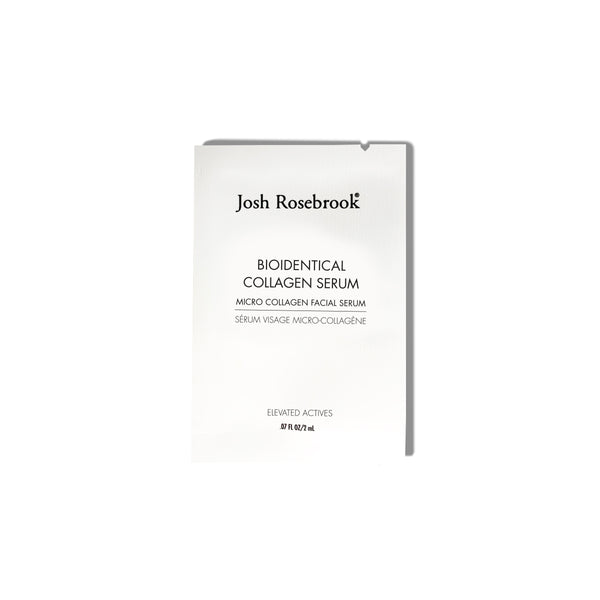
For mature skin, the most useful nighttime serums focus on renewal, hydration, and resilience. A plant-derived retinoid like the one in Active Infusion Oil supports cell turnover and helps soften the look of fine lines, while peptides in Ultra Peptide Cream support more supple, resilient skin over time. A vitamin C serum such as C Complex Serum brightens and evens tone, and the Bioidentical Collagen Serum is the brand’s most targeted option for mature skin. Apply the thinnest formula first and finish with a moisturizer to seal everything in.
What Is a Good Nighttime Skincare Set to Shop Online?
If you would rather start with a curated set than build a routine piece by piece, a nighttime skincare set is the simplest entry point. Josh Rosebrook offers plant-based sets and kits that pair a cleanser, treatment, and moisturizer so the steps work together from the first night. The Starter Kit built around Essential Balm Cleanse is a good place to begin, and a subscription lowers the ongoing cost when you reorder. Browse our skincare sets and kits to match a set to your skin type.
Build your nighttime skincare routine at Josh Rosebrook, where organic, bioactive formulas turn the hours you sleep into visible, lasting skin health.







WRITTEN BY Josh Rosebrook