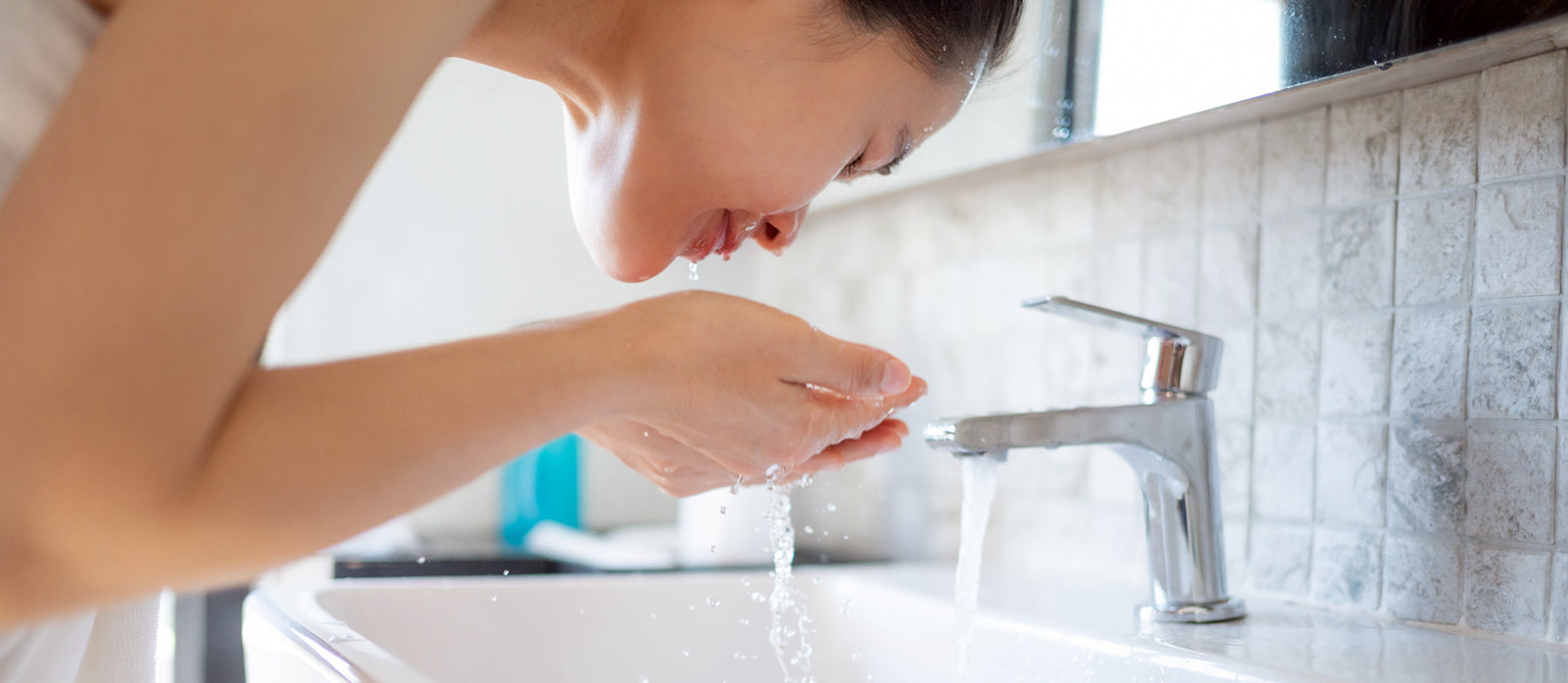
Most people wash their face once and assume the job is done. But if you wear sunscreen or makeup, a single pass rarely lifts everything off the skin. That’s where double cleansing earns its place. The double cleansing benefits come from using two formulas in sequence: an oil-based cleanser to dissolve what water can’t touch, followed by a water-based cleanser to clear away the rest.
This two-step method started in Korean and Japanese skincare and has become a staple for anyone serious about clean skin. Done right, it removes stubborn makeup, heavy SPF, and excess sebum without leaving your face tight or stripped. Done wrong, it can overwash and irritate.
Below, we break down how the method works, the real benefits for different skin types, and how to double cleanse the Josh Rosebrook way, using pH-balanced face cleansers. No filler, no hype, just what actually helps your skin.

What Double Cleansing Actually Is
Double cleansing is a two-step method that uses two different types of cleansers, one after the other. The first step is an oil-based cleanser, or cleansing balm. The second is a water-based cleanser. Each one removes a different kind of buildup, which is why the pair works better than either formula alone.
Here’s the logic: oil attracts oil. The first cleanse uses an oil-based formula to dissolve waterproof makeup, heavy SPF, and excess sebum, the oil-based impurities that water-based washes leave behind. The second cleanse then sweeps away sweat, dirt, dead skin cells, and environmental pollutants sitting on the skin’s surface.
The whole double cleansing method takes about three minutes. It suits anyone who wears makeup or sunscreen daily, and it’s a favorite for oily and blemish-prone skin that deals with excess oil and congestion. The same logic runs through the wider face care collection: clean thoroughly, support the skin, and don’t strip it. If you only ever single cleanse, residue and oil-based debris can linger and feed clogged pores.
You don’t need this routine every single day, and the clearest sign you do is simple. If your skin still feels coated after one wash, or a cotton pad comes away with residue, the first cleanse never finished the job. Anyone in daily SPF, long-wear makeup, or city pollution usually falls into that group.
The Real Double Cleansing Benefits
When done correctly, the benefits of double cleansing go beyond a surface rinse. Removing every layer of the day lets the rest of your routine work harder, because serums and moisturizers absorb into clean skin far better than they do through a film of sunscreen and sebum.
Here are the benefits worth knowing:
-
A genuinely deeper clean. Two passes clear makeup, SPF, and pollution that a single wash misses.
-
Better product absorption. Clearing buildup improves how well treatments penetrate, which makes them more effective.
-
Fewer clogged pores. Lifting oil-based debris and residue lowers the risk of congestion over time.
-
Brighter, smoother skin. Preventing product buildup supports a brighter, smoother, healthier-looking complexion, often within a week.
-
A more even-looking tone. Consistent, thorough cleansing helps skin look clearer and more even over time.
The catch is technique. These benefits only hold if you practice cleansing without stripping. Harsh, high-pH foaming formulas can leave skin tight and reactive, which undoes the point. The goal is clean skin that still feels comfortable, never squeaky or raw.
There’s also a comfort factor that’s easy to overlook. Because the oil step does the heavy lifting, the water-based step can stay gentle instead of aggressive. You get a more thorough clean and a softer experience at once, which matters most for skin that turns tight after washing.
How To Double Cleanse: Step by Step
The method is simple once you know the order. Here’s how to double cleanse properly, step by step, using the two formulas in this collection. Think of the balm as step one and the water-based wash as step two.
-
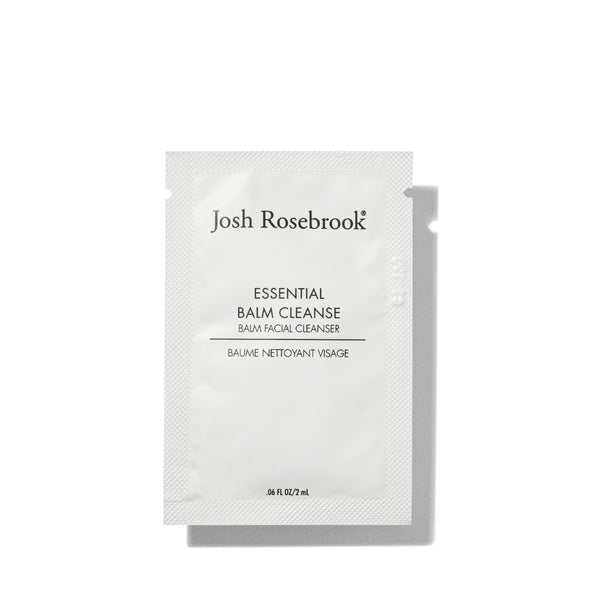
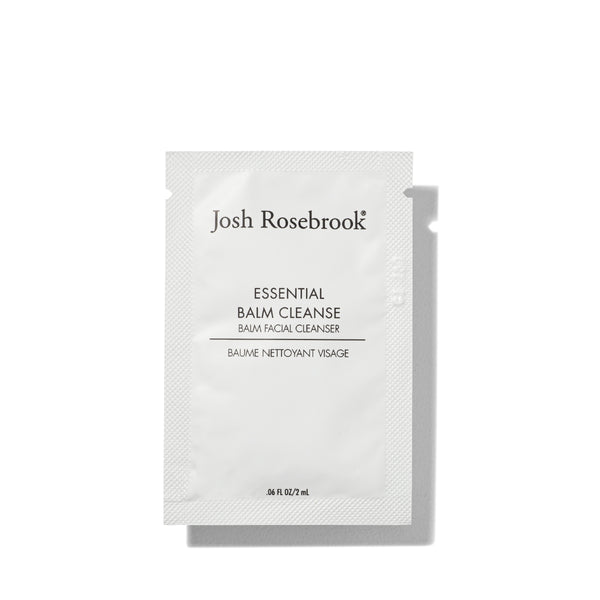
Start with the oil cleanser, on dry skin. Warm a scoop of Essential Balm Cleanse between clean fingers and gently massage it over dry skin, including the eye area. The oil cleansing method works on dry skin first, so the formula can bind to makeup and SPF.
-
Add water to emulsify. Wet your fingertips and keep massaging. This emulsifying balm turns from a silky oil into a milky cream, lifting everything it dissolved. Rinse with lukewarm water.
-
Follow with the water-based cleanser. Apply Complete Moisture Cleanse to damp skin and massage for the second cleanse. It clears any leftover residue without disturbing the acid mantle.
-
Rinse and pat dry. Rinse again with lukewarm water and pat dry with a soft towel. Skip hot water and rough scrubbing, since both irritate the skin.
For most people, the full double cleanse belongs in the evening. In the morning, a single water-based cleanse, or even a water rinse, is usually enough. The American Academy of Dermatology recommends washing your face no more than twice a day, and after heavy sweating.
Emulsifying matters more than it sounds. Adding water to the balm is what lets it rinse away cleanly instead of leaving an oily film behind. Massage for a full thirty seconds as the texture shifts from oil to milk, then rinse. That single move is the difference between a balm that feels luxurious and one that feels greasy.
Double Cleansing for Oily Skin and Other Skin Types
One of the biggest myths is that oily skin should skip oil. The opposite is true. Double cleansing for oily skin is one of the most effective ways to manage excess oil, because the first oil-based cleanse dissolves hardened sebum that water-based washes can’t shift. Lighter, cleaner skin is less likely to overproduce oil in response to being stripped.

Your skin type changes how you approach the method:
-
Oily and blemish-prone skin: Double cleanse in the evening to clear excess sebum and pollutants. Pair the habit with a focused blemish-prone skin routine for clearer, calmer skin.
-
Combination skin: An oil-based and a water-based cleanser together handle both the oily T-zone and drier cheeks without over-treating either.
-
Dry skin: Dry skin lacks oil, not water. Keep the full double cleanse to the evening and let the balm’s plant oils replenish the lipids dry skin underproduces.
-
Sensitive and reactive skin: Choose fragrance-free, pH-balanced formulas that soothe rather than aggravate. Both cleansers here are unscented and gentle, and they sit well within a wider sensitive skin range.
-
Normal skin: A creamy or water-based cleanser keeps things balanced, with a full double cleanse on makeup days.
One distinction worth making: dehydrated skin is not the same as dry skin. Dry skin lacks oil, while dehydrated skin lacks water and can affect any skin type, including oily skin. A gentle double cleanse won’t fix dehydration on its own, but a non-stripping routine protects the water your skin is already holding onto.
Micellar Water vs Balm Cleanser
Micellar water often gets recommended as a quick first step, so how does it compare with a balm? Micellar water uses tiny micelles to lift dirt and light makeup, and it doesn’t always need rinsing. It’s convenient, but it struggles with waterproof formulas and heavy SPF.
In the micellar vs balm cleanser debate, a cleansing balm wins on thoroughness. An oil-based balm dissolves long-wear makeup and sunscreen far more completely, then rinses clean. For a true first cleanse, the balm is the stronger choice. Save micellar water for travel days or a fast, low-effort cleanse. And if you do reach for it as step one, still follow with a proper water-based wash so nothing is left sitting on the skin.
Frequently Asked Questions
Is It Good To Double Cleanse Every Day?
For most people, yes, once a day. An evening double cleanse clears makeup, SPF, and the day’s buildup, which is when skin needs it most. In the morning, a single water-based cleanse is usually enough. If your skin feels tight or reactive, scale back to single cleansing and let the acid mantle recover.
Do Koreans Really Double Cleanse?
Yes. The double cleansing method is rooted in Korean and Japanese skincare, where oil-then-water cleansing has been standard for generations. Its popularity in the West grew from K-beauty routines, though the principle of removing oil-based impurities with oil is universal, not a passing trend.
What Is the 4 2 4 Rule in Skincare?
The 4 2 4 rule is a slower take on double cleansing: massage an oil cleanser for four minutes, a water-based cleanser for two, then rinse with alternating warm water and cool water for four. It’s thorough, but it isn’t necessary for everyone. A standard double cleanse of two to three minutes works well for daily use.
How Do You Double Cleanse Correctly?
Start with an oil-based cleanser on dry skin, massage, then add water so it emulsifies and rinse with lukewarm water. Follow with a water-based cleanser, rinse again, and pat dry with a soft towel. The aim is a clean canvas that still feels comfortable, which means washing your face twice without leaving it tight.
Build a complete skin care routine that starts with a thorough, gentle double cleanse, and let every step that follows work the way it should.





WRITTEN BY Josh Rosebrook