
If you're navigating perimenopause, you've likely noticed your skin behaving differently and the first thing worth noting is: nothing is wrong with you. These are completely normal, physiological changes, not a problem to fix. As estrogen and progesterone levels shift, the skin loses collagen and elastin more quickly, retains less moisture, experiences slower cell turnover, and can swing between breakouts and dryness, sometimes in the same week. Understanding what's behind these changes is the first step to caring for your skin in a way that actually works. And with the right ingredients and a consistent perimenopause skincare routine, you can meaningfully support your skin through every stage of this transition.
Here's what's happening, what helps, and how to build a routine that works.
What Perimenopause Does to Your Skin
Estrogen plays a direct role in collagen synthesis, hyaluronic acid production, ceramide levels, and overall skin hydration. As levels decline, several changes can occur:
-
Loss of collagen and elastin: skin loses its structural proteins, leading to a reduction in plumpness and bounce
-
Thinning skin and crepiness: both the epidermis and dermis thin, and cell turnover slows, creating a crepe-paper texture particularly around the eyes, neck, and décolleté
-
Reduced skin hydration: the skin holds less water, leading to dryness, dullness, or tightness which can also result in itchiness
-
Hormonal blemishes and congestion: progesterone fluctuations can trigger excess sebum production and breakouts, even in skin that was never blemish-prone
-
Discoloration and uneven skin tone: hormonal shifts affect melanin production, making dark spots and sun damage more visible
-
Weakened skin barrier: lower estrogen reduces ceramide production, leaving skin more reactive and prone to transepidermal water loss (TEWL)

Cleanse Gently Without Stripping
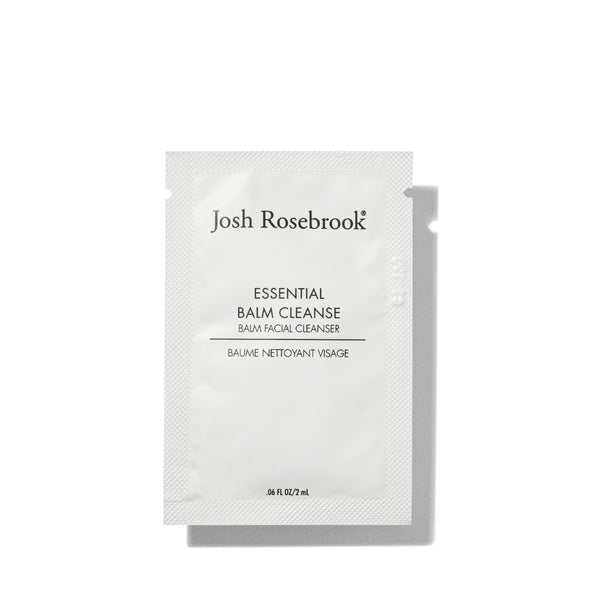
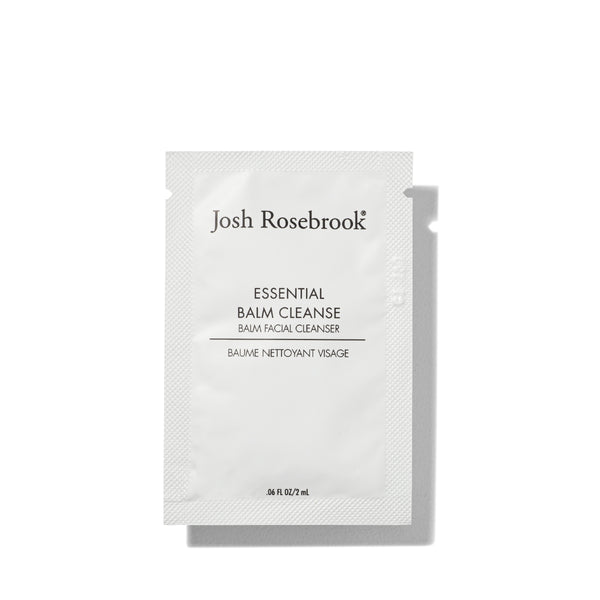
A pH-balanced, non-stripping cleanser is essential for perimenopause skin care. Harsh cleansers can disrupt the acid mantle and trigger more oil production, worsening both dryness and breakouts. Use Essential Balm Cleanse as a first cleanse to dissolve SPF, makeup, and environmental buildup, followed by Complete Moisture Cleanse for a gentle second cleanse that preserves the skin's natural moisture barrier.
Tone and Support Cell Turnover
As cell turnover slows during perimenopause, a gentle AHA toner becomes one of the most valuable steps in your routine; smoothing texture, brightening uneven tone, and helping actives absorb more effectively. Daily Acid Toner combines hibiscus flower acid, glycolic acid, and hydrating botanical extracts to resurface and brighten without sensitizing. Follow with Hydrating Accelerator to immediately restore moisture and prepare skin for serums.
Treat with Targeted Actives
This is where perimenopause skin care gets specific. The right actives address structural support, sagging, discoloration, and hormonal congestion simultaneously:
-
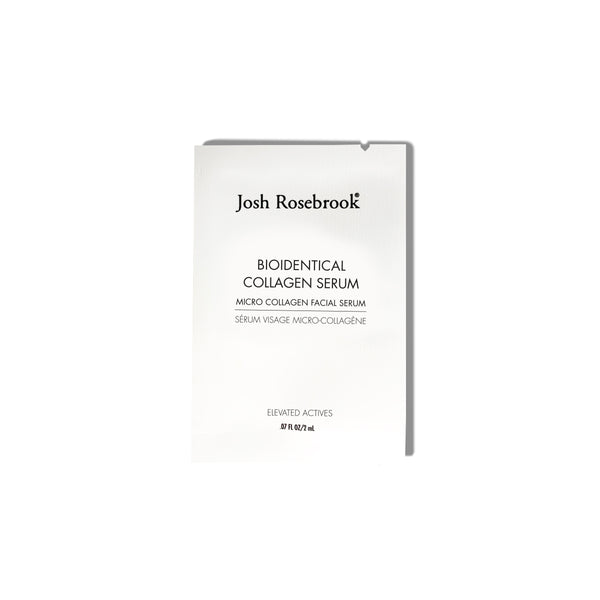
Bioidentical Collagen Serum A first-of-its-kind, vegan micro-molecular collagen that is 100% identical to human skin, grown through biofermentation. Unlike traditional topical collagens that sit on the surface, this formula penetrates the skin and integrates into the collagen matrix to protect, plump, and renew. Boosted with mushroom extracts, ectoin, and fermented actives that further stimulate and support collagen.
-
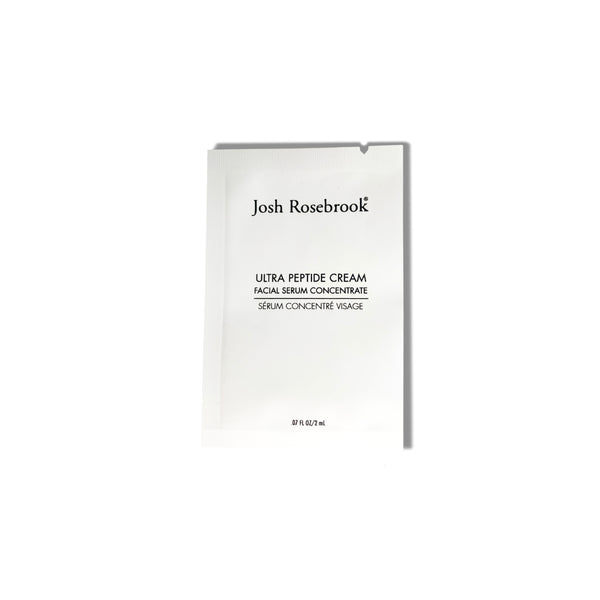
Ultra Peptide Cream A featherlight serum-cream with three biomimetic peptides, ceramide NP, and niacinamide. Supports skin density, reduces the visibility of fine lines, and simultaneously addresses hormonal congestion and sebum regulation, ideal for perimenopausal skin navigating both dryness and breakouts.
-
C Complex Serum Two stabilized Vitamin C complexes with ferulic acid, azelaic acid, and licorice root to target discoloration, uneven tone, and sun damage. Vitamin C also supports skin's suppleness, making it a double-duty active for perimenopausal skin changes.
-
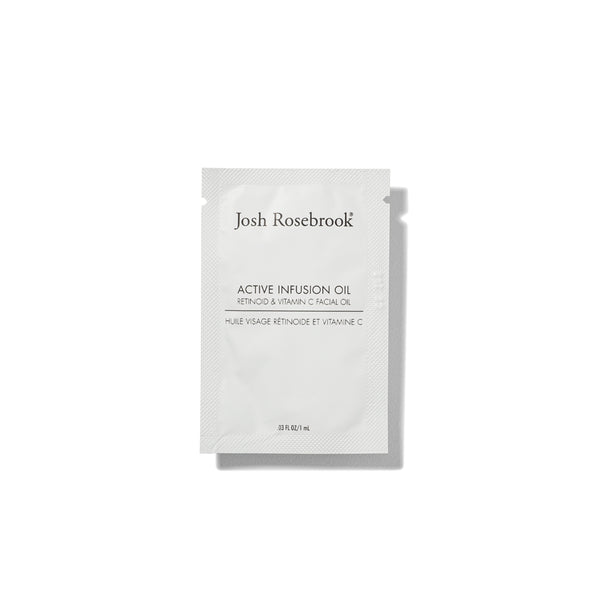
Active Infusion Oil — A BHT-free retinoid facial oil that pairs a single-conversion retinoic acid ester with stabilized Vitamin C and antioxidant-rich plant and mushroom extracts. Gentler than traditional retinol, this is ideal for skin that has become more reactive during hormonal transition. Recommended for night use; introduce slowly if new to retinoids.
Moisturize to Restore the Skin Barrier
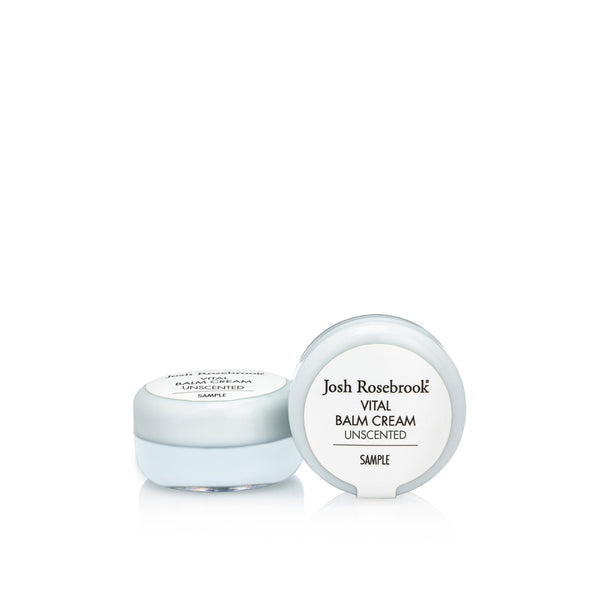
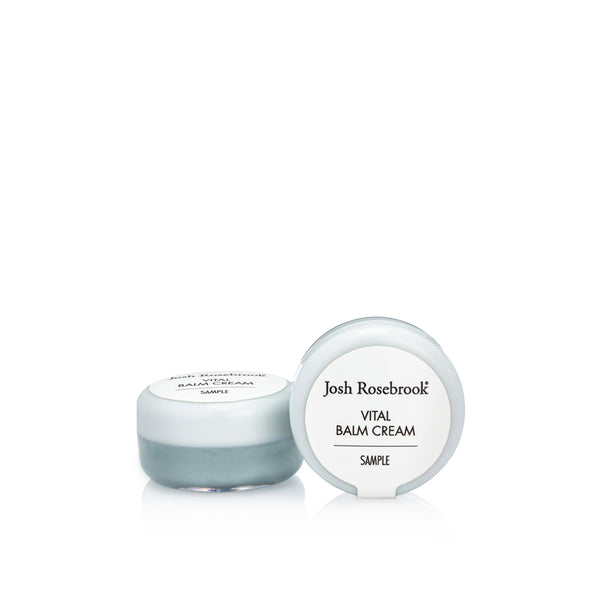
Hydration is essential and more complex during perimenopause than it used to be. The goal isn't just surface moisture but restoring the skin's ability to hold water and defend against moisture loss. Vital Balm Cream combines botanical hyaluronic acid (Cassia Angustifolia Seed Polysaccharide), mango seed butter, honey, and a rich herbal bioactive infusion to lock in moisture, plump the skin, and support barrier integrity. For reactive or ultra sensitive skin, Vital Balm Cream Unscented delivers the same formula without essential oils.
Protect with SPF Every Single Day
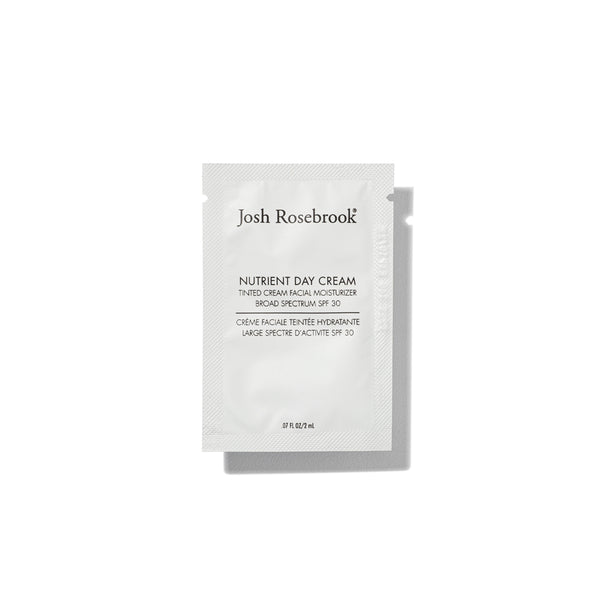
Daily sun protection is the single most effective step for managing perimenopause discoloration, slowing further structural breakdown, and preventing accumulated UV damage from worsening uneven skin tone. Choose a mineral, broad spectrum SPF for perimenopausal skin that won't clog pores. Nutrient Day Cream SPF 30 delivers broad-spectrum protection through non-nano zinc oxide with no white cast, plus antioxidant-rich botanicals and a non-comedogenic lipid blend — acting as moisturizer and sunscreen in one step. A tinted version is also available for those who prefer light coverage.
Don't Forget the Eye Area
The skin around the eyes is the thinnest on the face and among the first places to show the effects of perimenopause: crepiness, dark circles, puffiness, and loss of bounce. Eye Area Complex uses a dual-stack approach: a biotech layer (EGCG, vegan, bioidentical Type III collagen, bifida ferment) and a bioactive layer (hyaluronic acid, caffeine, niacinamide, sea buckthorn, wild ginger) to visibly revive the delicate eye area without irritation.
A Note on Hormonal Blemishes
If perimenopause has brought unexpected breakouts, you're not alone and the approach matters. Avoid harsh, drying congestion products designed for teenage skin. Instead, look to niacinamide (found in Ultra Peptide Cream) to regulate sebum production, azelaic acid (in C Complex Serum) to calm congestion and redness, and gentle AHA exfoliation via Daily Acid Toner to keep pores clear without stripping the moisture that perimenopausal skin needs.
Extra Tips for Perimenopausal Skin
-
Introduce one new active at a time. Skin may be more reactive than it used to be, and going slowly helps you identify what works.
-
Layer hydration. Mist first with Hydrating Accelerator, then apply serum or concentrate while skin is still damp for deeper absorption.
-
Reapply SPF every two hours when spending time outdoors. Discoloration from UV exposure is cumulative and accelerated during hormonal transitions.
-
If you're new to retinoids, begin every third night for the first week, then gradually increase frequency over several weeks.
-
Support your skin from the inside too: protein intake, hydration, sleep quality, and stress management all influence how your skin responds to perimenopause.
With the right perimenopause skincare routine and targeted ingredients peptides, bioidentical collagen, stabilized Vitamin C, gentle retinoids, and barrier-restoring moisturizers. You can support your skin through every stage of hormonal transition and maintain a healthy, radiant complexion for years to come.




WRITTEN BY Josh Rosebrook