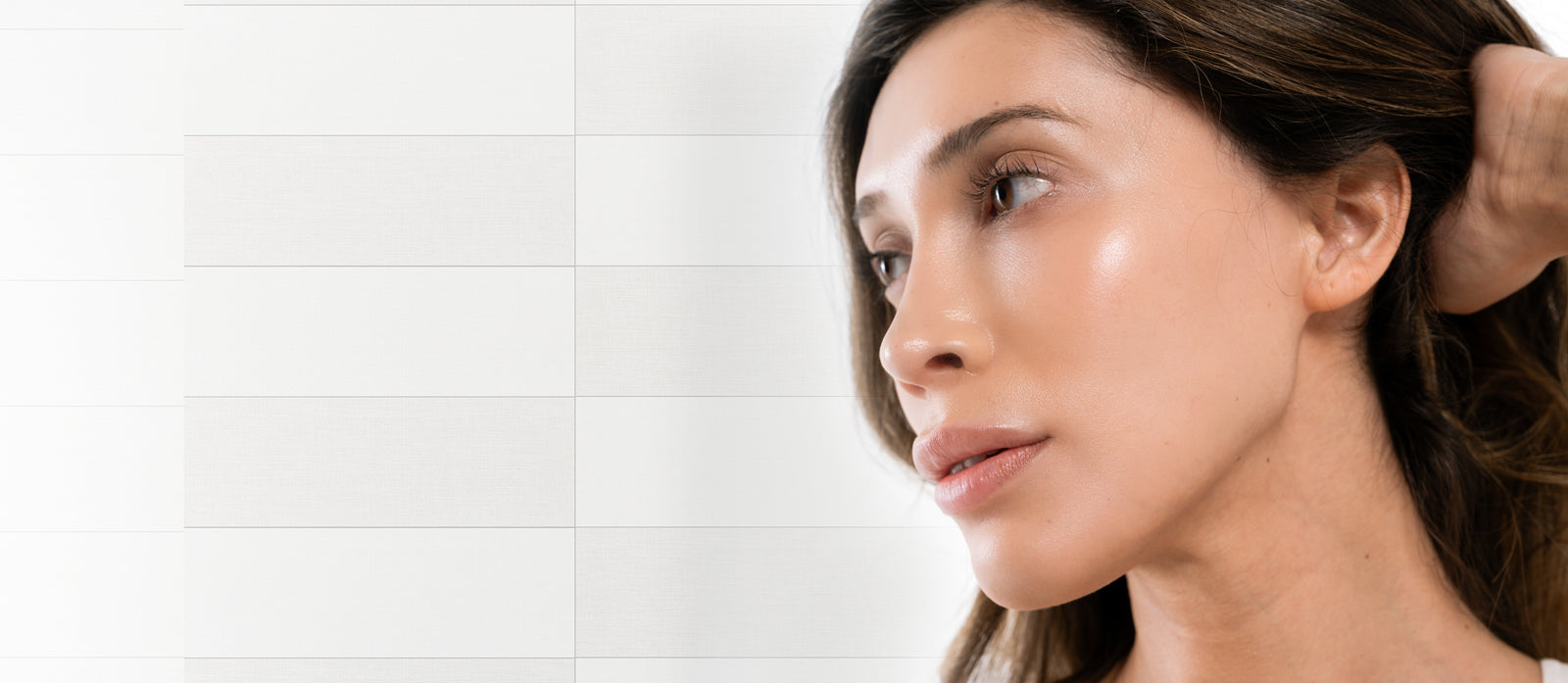
Few skin concerns are misunderstood as often as pore size. Walk through the skincare aisle and almost every shelf promises a way to shrink pores permanently. The reality is more nuanced. Pore size is largely set by genetics, and you cannot physically change the structure of pores on your face. What you can do is minimize the appearance of pores through consistent skincare, smart exfoliation, and ingredients that support skin elasticity and oil balance.
This guide breaks down how pores actually behave, what makes them look more visible, and the targeted, plant-based routine that genuinely supports smoother skin texture over time.
Pores: What They Actually Do and Why You Cannot Shrink Pores Permanently
Pores are openings at the skin's surface connected to hair follicles and sebaceous glands. They serve a purpose. Pores allow sebum, the skin's natural oil, to travel from deeper layers to the surface, where it supports the moisture barrier and protects the skin from external stressors. Without functioning pores, skin would not stay supple.
Pore size is determined by genetics. You cannot permanently change the physical size of pores on your face, no matter what a product claims. What you can change is how pores appear. When pores are kept clear and the skin around them is supple and balanced, they look smaller and the overall skin texture becomes smoother. That is the real, defensible goal of pore-minimizing skincare.
Large Pore Causes: What Makes Pores Appear More Visible
Several factors stretch the appearance of pores. Understanding them is the foundation of any routine designed to minimize pores.
Excess Sebum Production and Congested Pores
When sebum production is high, oil mixes with dead skin cells and debris inside the pore. This buildup stretches the pore walls, leading to congested pores that appear larger to the naked eye. Oily and combination skin tend to have more visible pores for this reason. Keeping pores clear of debris is one of the most effective ways to make pores look smaller.
Loss of Collagen and Elastin
As skin matures, collagen and elastin production naturally slows. Without that underlying support, the skin around each pore loses its bounce, and pores tend to sag and appear larger. Supporting natural collagen production through botanical actives and consistent skincare helps keep the skin dense, which makes pores look tighter.
Sun Damage
UV rays break down collagen and elastin in the deeper layers of the skin. Sun damage is one of the leading contributors to larger looking pores over time. Daily sun protection is essential for anyone serious about reducing the appearance of pores. Without consistent SPF, every other step in the routine works against an ongoing source of damage.
Skincare Habits That Make Pores Look Larger
Over-scrubbing, picking at congested pores, and using harsh or pore clogging products all push pores in the wrong direction. Aggressive physical scrubs damage the skin around the pore and inflame the area. Picking stretches the pore wall and can leave the skin looking more textured, not less. A gentler, more strategic approach delivers better results.
What Actually Helps Minimize Pores
Three pillars genuinely support smoother skin texture and the appearance of smaller pores: consistent exfoliation, oil balance, and toning with the right ingredients.
Acid Exfoliation
Chemical exfoliants do what physical scrubs cannot: they dissolve the bonds between dead skin cells and lift debris out of congested pores without damaging the skin's surface. Alpha hydroxy acids like glycolic acid work on the surface to improve skin texture and stimulate cell turnover. Used 1 to 3 times a week, chemical exfoliants help pores appear cleaner, tighter, and less noticeable over time.
Oil Balance, Not Oil Stripping
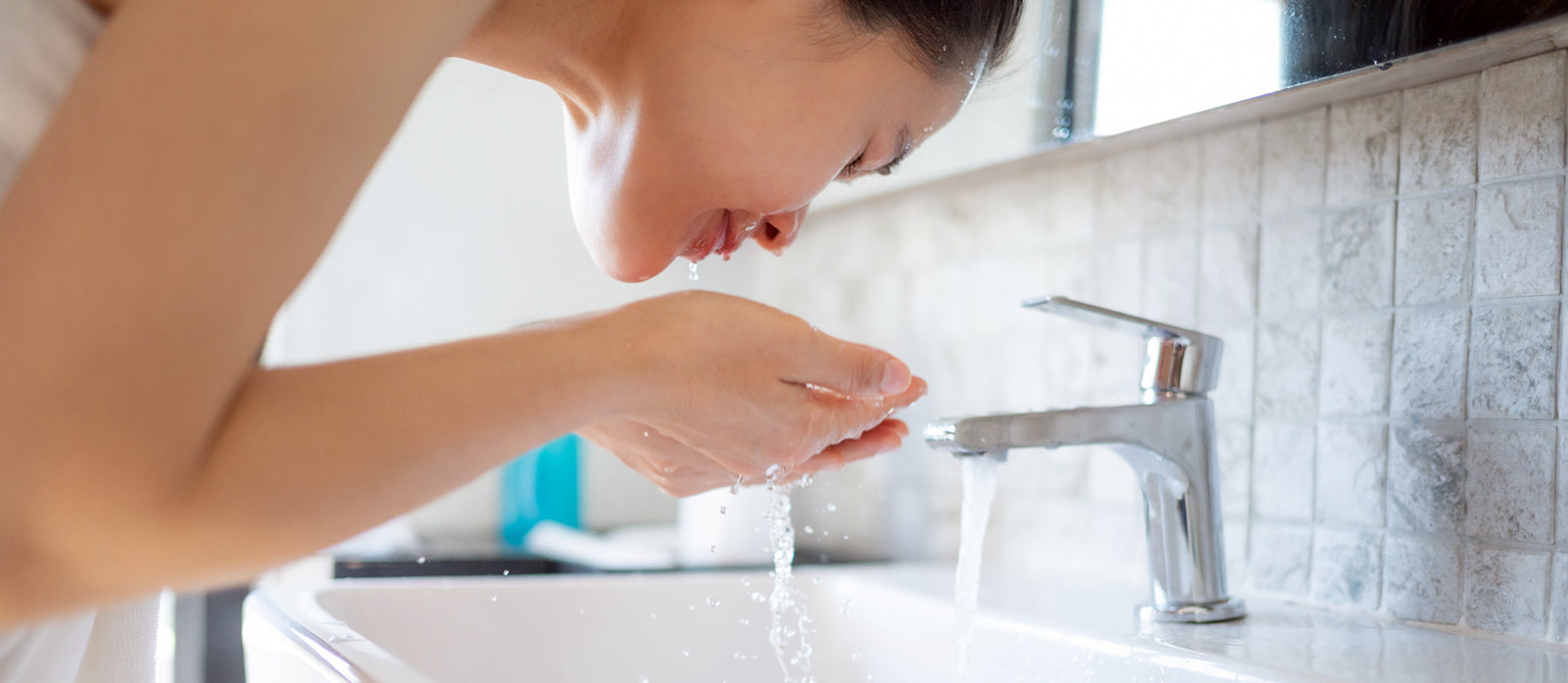
Many people with oily skin overcompensate by stripping the skin completely. This backfires. When the skin senses it has been stripped, sebaceous glands often produce more oil to compensate. The goal is balance: keeping the skin clean without disrupting the moisture barrier. A gentle cleanser, used twice a day, removes excess oil and prevents the buildup that makes pores look larger, without pushing oil production into overdrive.
Toning With Pore-Minimizing Ingredients
A pore-minimizing toner is more than a refresher. The right toner can deliver hydration, support skin elasticity, and prep the skin for the actives that follow. Botanical toners containing astringent plant extracts and humectants help the skin look tighter and more refined while still respecting the moisture barrier.
Explore the toners collection to find a formulation aligned with your skin type and routine.

Best Ingredients for Pore-Minimizing Skincare
These actives consistently show up in routines designed to refine skin texture and reduce the visible appearance of pores.
-
Salicylic acid: oil soluble, penetrates deep to dissolve sebum and debris inside congested pores.
-
Glycolic acid: a surface-level alpha hydroxy acid that improves skin texture and supports cell turnover.
-
Niacinamide: helps regulate oil production and improves skin texture, with visible results at 2 to 5 percent concentrations.
-
Botanical antioxidants: green tea, vitamin C, and rosehip help support the skin's collagen and support a denser surface.
-
Hydrating humectants: hyaluronic acid and glycerin keep the skin plump, which helps pores appear smaller without triggering more oil production.
-
Clay: bentonite and kaolin in a clay mask can temporarily absorb excess oil and create the appearance of tighter, smoother skin.
Targeted treatment options live across the exfoliators collection and the masks collection, with formulations built around clean, plant-based actives.
A Targeted Routine to Minimize the Appearance of Pores
A pore-focused routine balances cleansing, exfoliation, hydration, and protection. The pace matters as much as the products. Pushing too hard with acids or stripping cleansers tends to backfire.
Morning Routine
-
Cleanse with a gentle cleanser to remove overnight buildup without stripping the skin.
-
Apply a pore-minimizing toner to refine the skin's surface and prep for serums.
-
Layer an antioxidant serum to protect the skin from environmental damage.
-
Follow with a lightweight, non pore clogging moisturizer to balance the skin and support hydration.
-
Finish with broad-spectrum SPF. Sun protection is non-negotiable for anyone trying to minimize pores.
Evening Routine
-
Double cleanse to remove sunscreen, makeup, and excess oil collected throughout the day.
-
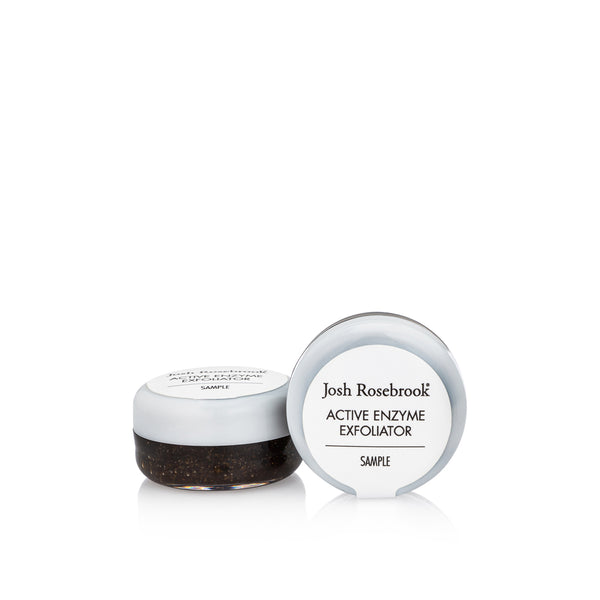
On exfoliation nights (1 to 3 times per week), apply a chemical exfoliant or an enzyme exfoliator to unclog pores.
-
On non-exfoliation nights, apply a hydrating toner instead, to support the skin barrier.
-
Use a targeted serum for skin texture, oil balance, or barrier support.
-
Seal everything in with a lightweight moisturizer suited to your skin type.
Weekly Add-On
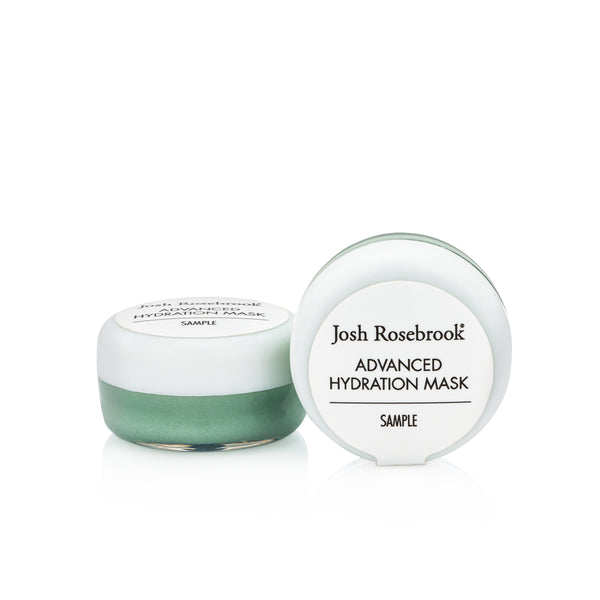
Use a mask once a week to absorb excess oil and temporarily tighten the appearance of pores. Apply to clean skin, leave on until it just begins to dry, and rinse with lukewarm water.
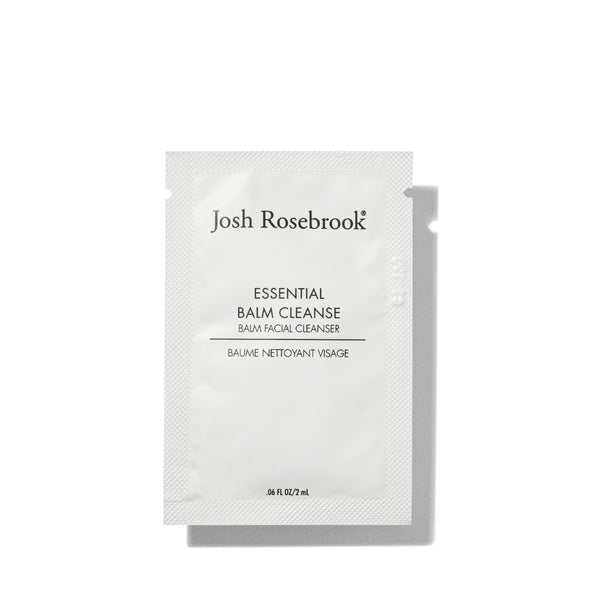
Build the rest of your routine around formulations from the cleansers collection, serums collection, and moisturizers collection. For a structured framework, the 7 phases of skin care walks through how every step fits together.
Frequently Asked Questions
How Can I Reduce My Pores Size?
You cannot change the physical size of pores, but you can significantly reduce their appearance. Keep pores clear with chemical exfoliation 1 to 3 times a week, support skin elasticity with antioxidant serums, manage oil production with a balanced routine, and protect the skin with daily SPF. Consistent skincare over weeks and months delivers far better results than aggressive short-term fixes.
How Does Korean Skincare Minimize Pores Naturally?
Korean skincare emphasizes gentle, layered hydration, double cleansing, regular but moderate exfoliation, and consistent sun protection. The principles align closely with how to minimize pores naturally: balance, not stripping, and steady consistency rather than dramatic interventions. The focus on hydration is especially relevant, because well-hydrated skin produces less excess oil and pores look smaller as a result.
What Is the Best Pore Tightener?
There is no single best product. A pore-minimizing toner with botanical astringents, a salicylic acid or glycolic acid exfoliator, and a niacinamide serum are three of the most effective tools. For deeper interventions, professional treatments like microneedling, laser resurfacing, and professional chemical peels can support and tighten the skin around pores. These should be discussed with a qualified professional.
Do Enlarged Pores Ever Go Away?
Enlarged pores do not disappear, but their appearance changes significantly with the right routine. Clearing congested pores and protecting the skin from sun damage all help pores appear smaller. The goal is realistic refinement, not permanent reduction. Skin that is healthy, hydrated, and well-cared for naturally looks smoother and more even.
How Often Should I Exfoliate to Minimize Pores?
One to three times per week is the right range for most skin types. More than that risks irritating the skin and disrupting the moisture barrier, which can paradoxically trigger more oil production and make pores look worse. Listen to the skin. If it feels tight, sensitive, or reactive, reduce frequency until balance returns.
Refining Skin Over Time
There are no shortcuts to refined, balanced skin. Pore size is genetic, but how pores look is well within reach when the routine is built on smart exfoliation, oil balance, hydration, and sun protection. The most visible results come from steady, plant-based skincare that respects the skin's natural function rather than fighting against it.
Discover your routine and explore botanical formulations built to support clearer, smoother, and healthier looking skin.





WRITTEN BY Josh Rosebrook