Collection: FPS
A broad spectrum SPF is the most protective step you can add to a daily routine, and it is also the most skipped. The sections below explain what broad spectrum protection means, why it matters, and how to choose and apply it.
-
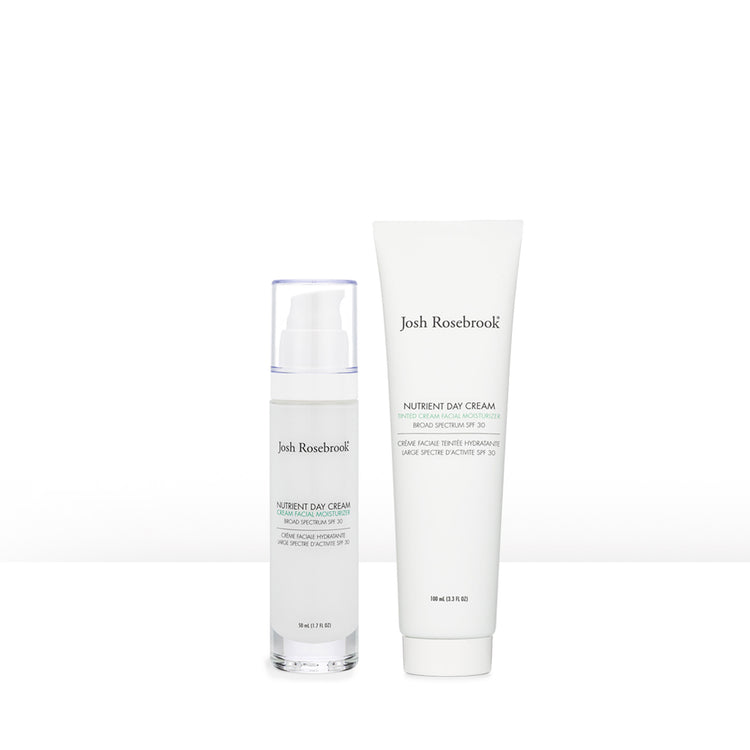
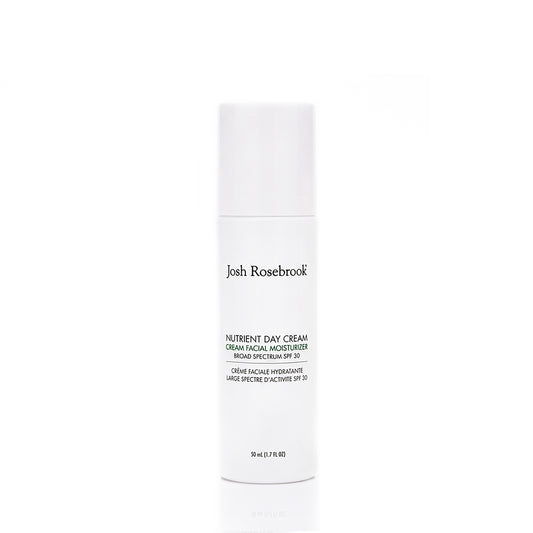
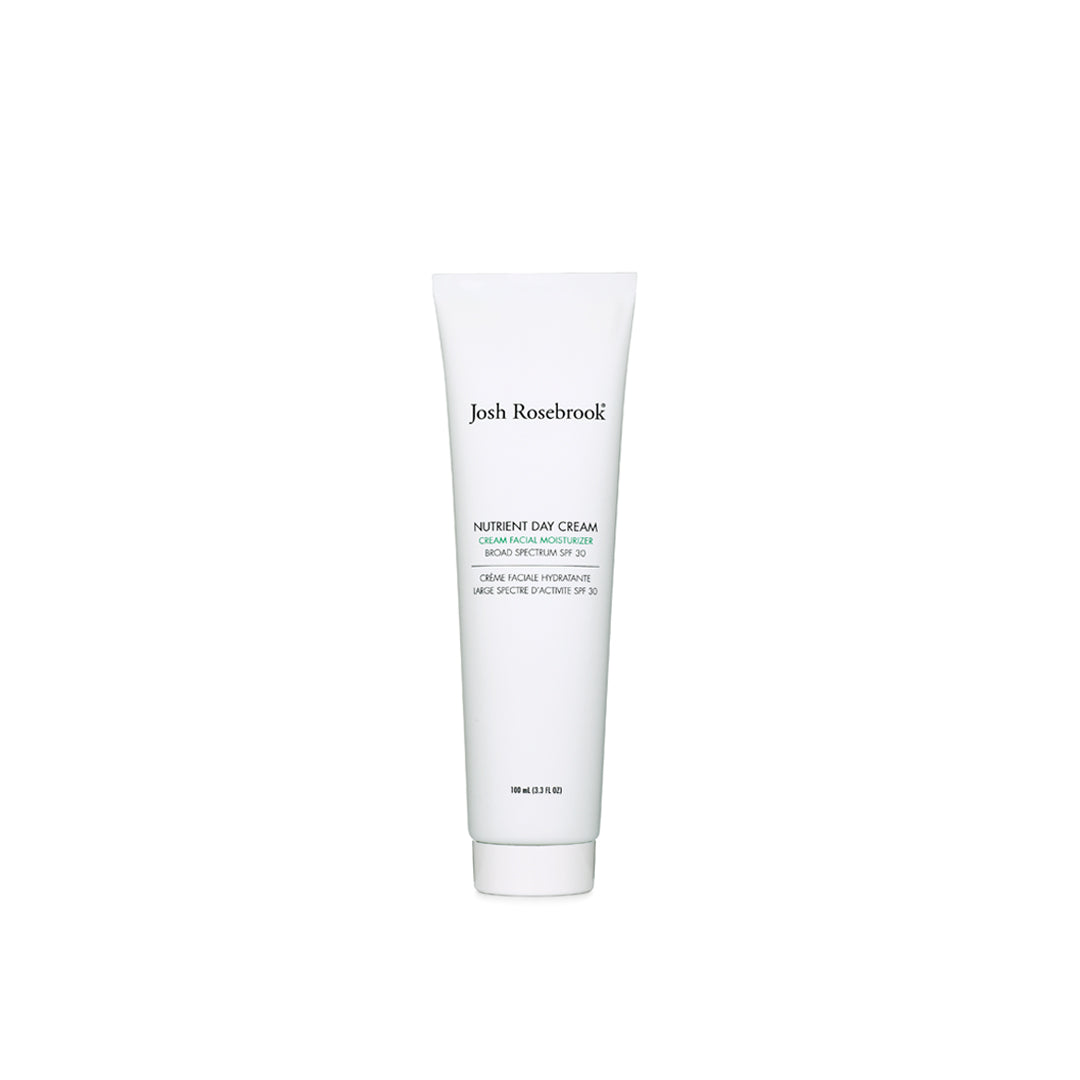
![Crème de Jour Nutritive SPF 30]()
Crème de Jour Nutritive SPF 30
High Protection, Broad Spectrum Spf 30
Prix habituel Du $69.00 USDPrix soldé Du $69.00 USD Prix habituelPrix unitaire par -
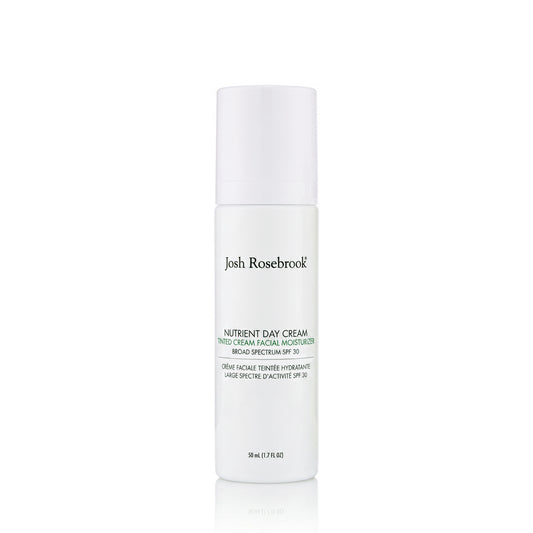
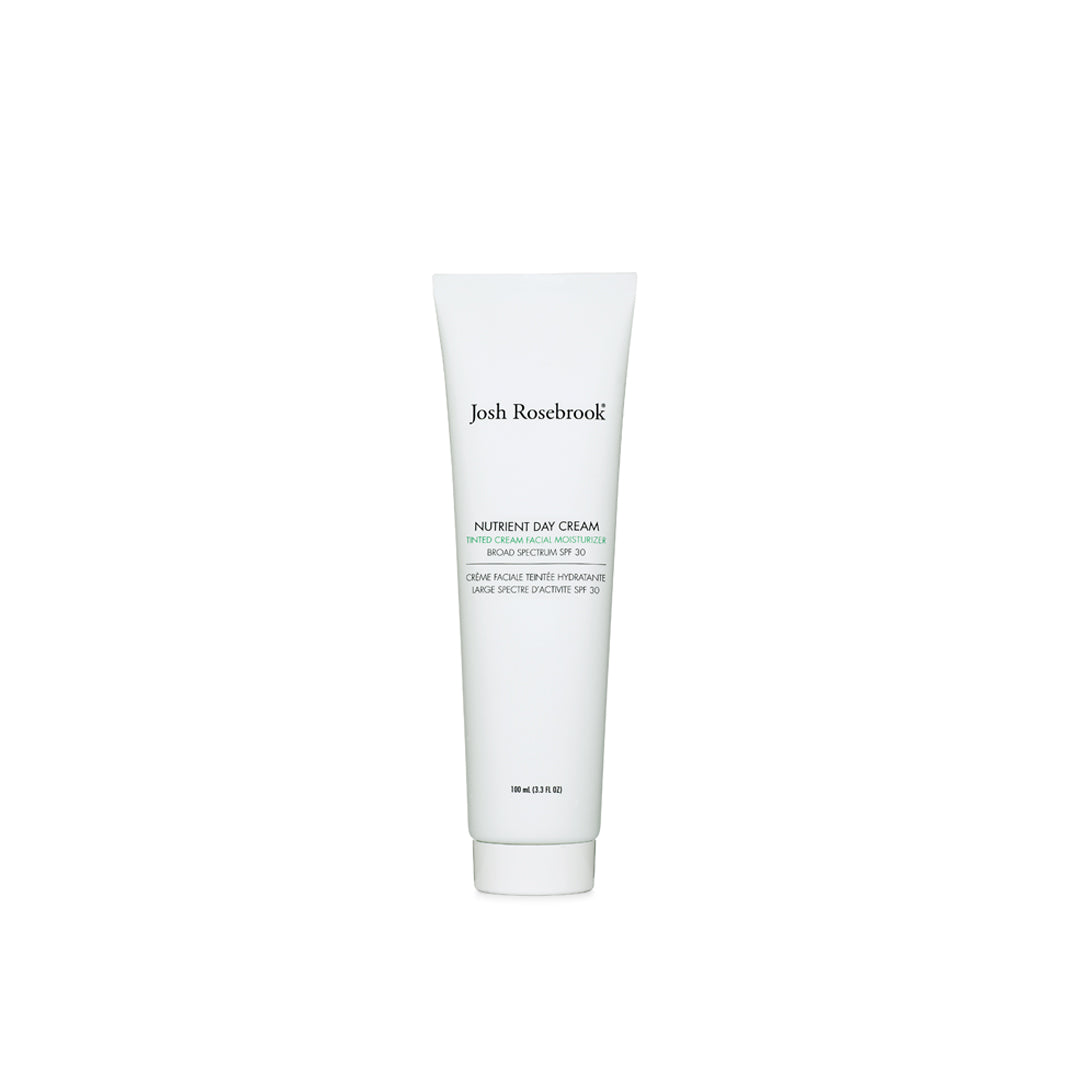
![Crème de Jour Nutritive Teintée SPF 30]()
Crème de Jour Nutritive Teintée SPF 30
High Protection, Broad Spectrum Spf 30
Prix habituel Du $79.00 USDPrix soldé Du $79.00 USD Prix habituelPrix unitaire par -
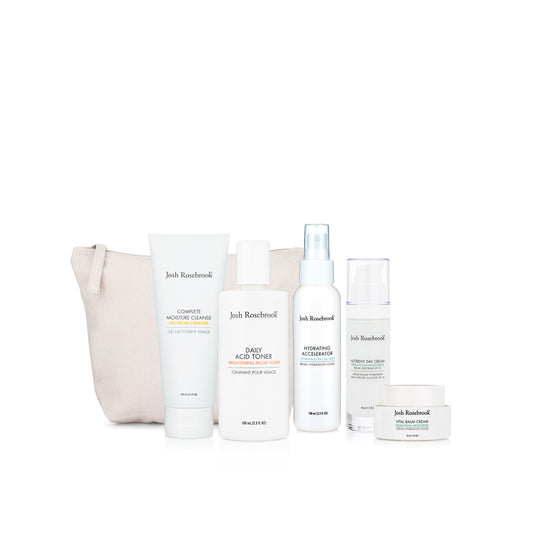
![La méthode essentielle]()
La méthode essentielle
Essential Skin Care Routine
Prix habituel $195.00 USDPrix soldé $195.00 USD Prix habituelPrix unitaire par$233.00 USDVente -
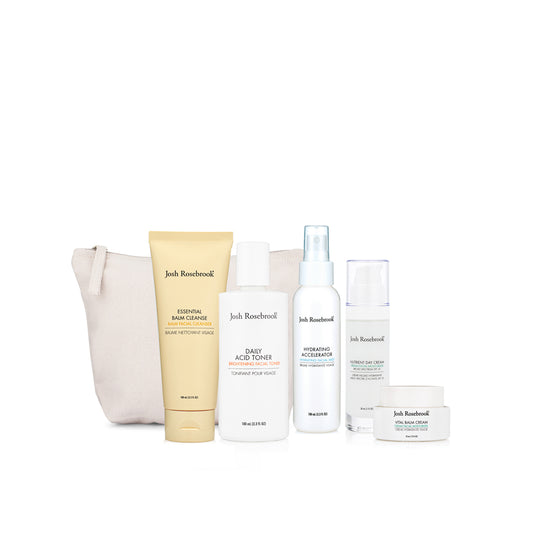
![La Méthode Essentielle Baume Nettoyant Essentiel]()
La Méthode Essentielle Baume Nettoyant Essentiel
Essential Skin Care Routine
Prix habituel $195.00 USDPrix soldé $195.00 USD Prix habituelPrix unitaire par$233.00 USDVente
FREQUENTLY ASKED QUESTIONS
What Is a Broad Spectrum SPF?
A broad spectrum SPF is a sunscreen that protects against both UVA and UVB rays. The SPF number tells you how well it blocks UVB radiation, the rays that cause sunburn, while broad spectrum means it also covers UVA radiation, which penetrates deeper and drives long-term skin damage and premature aging. A regular sunscreen may only address UVB, so a broad spectrum sunscreen is what confirms complete protection across the UV range and supports healthy skin.
Is Broad Spectrum SPF Good?
Yes. Broad spectrum SPF is the type of sun protection dermatologists recommend because it guards against the full range of harmful UV rays rather than only the burning ones. Daily use helps prevent sunburn, reduces the risk of skin cancer, and slows premature skin aging caused by UVA radiation. For everyday wear, choose a broad spectrum sunscreen with SPF 30 or higher and apply it consistently.
Can Sunscreen Fix Uneven Skin Tone?
Sunscreen does not erase existing dark spots, but it is essential to improving them. UV exposure deepens discoloration and uneven skin tone, so without daily broad spectrum protection, treatment products work against a moving target. Pairing a broad spectrum sunscreen with targeted brightening care gives those formulas the best chance to soften the look of discoloration over time. Think of sunscreen as the step that protects the progress you make.
BLOG
How to Care For Oily Skin and Breakouts
If you struggle with oily skin, you know how challenging it can be to find the right balance between controlling shine and keeping your skin healthy. Oily skin is caused by overactive sebaceous gla...
Read More
Découvrez les bienfaits des biofermentations pour la peau
Nous avons la fièvre de la fermentation ; c'est-à-dire que nous aimons depuis longtemps les bio-fermentations dans les soins de la peau, en ligne directe avec notre approche de bio-conception en m...
Read More
DISRUPTING COLLAGEN’S STATUS QUO
Collagen is skin’s superpower. The most abundant, naturally-occurring protein in the body, collagen provides strength, structure and suppleness to the skin. It is what gives it its elasticity and b...
Read More
What Broad Spectrum SPF Means
Quick View




Quick View




Quick View

Quick View