
Dewy skin is a state, not a single product. It happens when the surface is well hydrated, smooth enough to reflect light evenly, and sealed so that moisture stays put. The soft, lit-from-within finish people call glass skin comes from how you layer, not from one miracle step.
This guide breaks down how to get dewy skin through a simple layering method: a hydrating mist, a water-binding serum, a moisturizer, and a thin layer of plant oil to seal. You'll see why each step matters, how plant oils mimic the skin's own sebum for a glow that doesn't read as grease, and how to adjust the routine for your skin type.
What Dewy Skin Actually Is
Dewy skin looks hydrated, smooth, and slightly luminous. Light hits an even, well-moisturized surface and bounces back, which the eye reads as a healthy glow. Dry, flaky, or dehydrated skin scatters that light instead, so it can look dull even under good makeup.
The goal isn't more product. It's the right sequence of thin, water-rich layers finished with a light seal. Dewy skin, at its simplest, is well-managed moisture: enough water in the surface, a little oil to hold it, and a smooth texture that bounces light back. Get that balance right and the dewy look holds through the day rather than sliding into shine.
Dewy Skin vs Oily Skin
These two get confused often. Dewy skin reflects light because it's hydrated and its surface is intact. Oily skin produces excess sebum, which sits on top and creates a heavier, sometimes greasy shine.
You can build dewy skin on any skin type, including oily and blemish-prone skin. Skin can even look oily on the surface while feeling dehydrated underneath, which is why layering hydration matters for those managing excess oil too. A quick way to tell them apart:
-
Dewy skin: light-reflecting, hydrated, comfortable, even.
-
Oily skin: excess oil production, surface shine, often heavier by midday.
-
Dehydrated skin: tight and dull, and it can occur alongside oiliness.
Dry Skin and Dehydrated Skin Are Not the Same
Before you build any dewy skincare routine, know which concern you're treating. Dry skin is a skin type with too little oil. It needs lipid-rich ingredients like plant butters and fatty acids to rebuild the skin barrier.
Dehydrated skin is a temporary condition with too little water, and it can affect any skin type, including oily skin. It responds to humectants like hyaluronic acid, glycerin, and aloe that pull water back into the surface. Most people chasing dewy skin are treating dehydration, not dryness. For skin that swings between the two, the dry and dehydrated skin collection groups formulas suited to each.

How To Get Dewy Skin, Step by Step
The core technique behind a glass-skin finish is layering thin, compatible products from most watery to most rich. This is sometimes called skin flooding: you saturate the skin with light, water-based hydration, then lock it in.
Apply each step to slightly damp skin and give it a moment to absorb before the next. Damp skin holds and spreads the following layer better, which is a big part of why this method works. Here's the order.
Step 1, Start With a Hydrating Mist
On freshly cleansed skin, mist until the surface is evenly damp. A good mist does more than refresh; the real facial mist benefits are immediate surface hydration and a primed base that helps everything after it absorb. The Hydrating Accelerator, from the facial mists collection, uses plant-based humectants to hydrate and prep the skin without alcohol or synthetic fragrance.
Step 2, Layer a Water-Binding Serum
While skin is still damp, press in a hydrating serum. This is where hyaluronic acid layering earns its reputation. Hyaluronic acid holds up to 1,000 times its weight in water, so it draws moisture into the surface and plumps fine, dry-looking texture into something softer.
For a concentrated option, the Hydration Boost Concentrate in the serums range is built around humectant actives that bind water to the skin. Applying it to damp skin rather than dry makes a real difference, since the layers absorb far better when the surface is already moist.

Step 3, Seal With a Moisturizer
Hydration without a seal evaporates. A moisturizer locks the water-based layers in and keeps skin comfortable for hours. Apply a thin layer for a dewy finish, because too much can tip the look from glow to heavy.
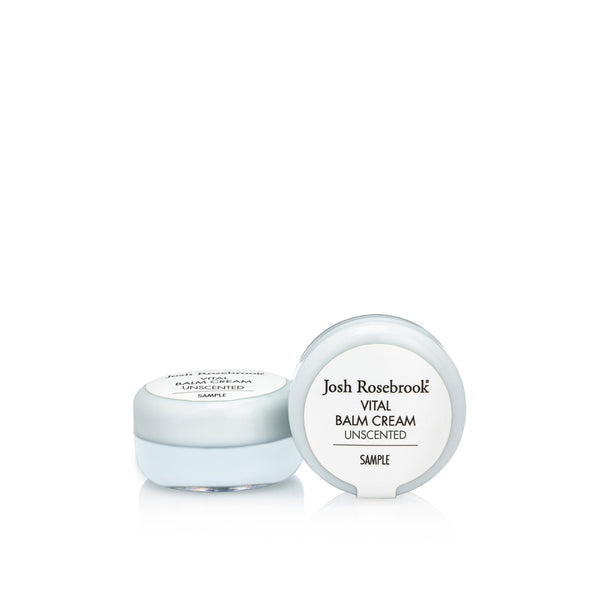
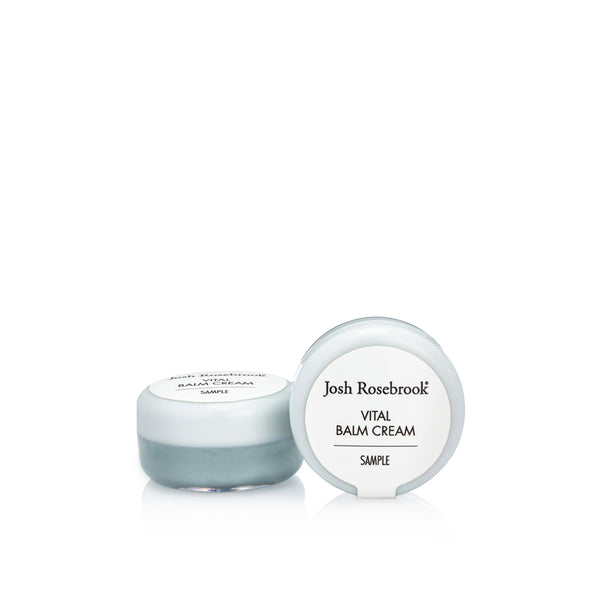
Choose by skin type from the moisturizers collection. Drier skin does well with a richer cream like Vital Balm Cream, while combination and oily skin can keep it light with a thinner application. The point is to seal the hydration, not to smother the skin. Sealing also keeps the moisture you just layered from evaporating within minutes.
Step 4, Finish With a Facial Oil
The final step is what makes the oil-over-moisturizer technique so effective. A few drops of facial oil pressed over your moisturizer seals everything beneath it and adds the soft sheen that defines a dewy complexion.
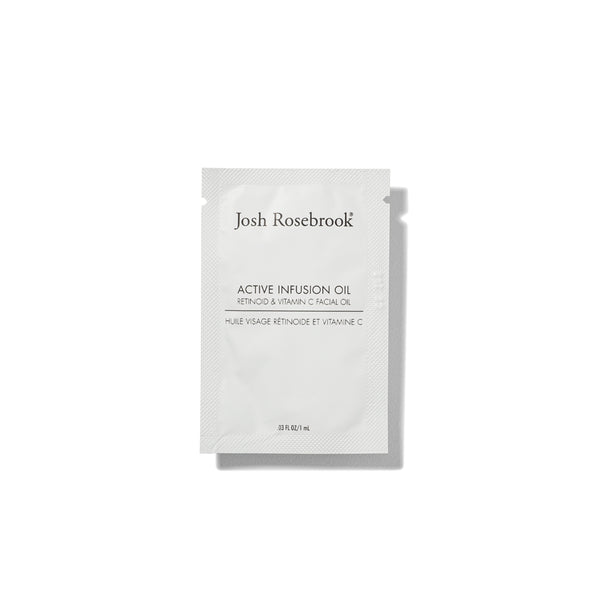
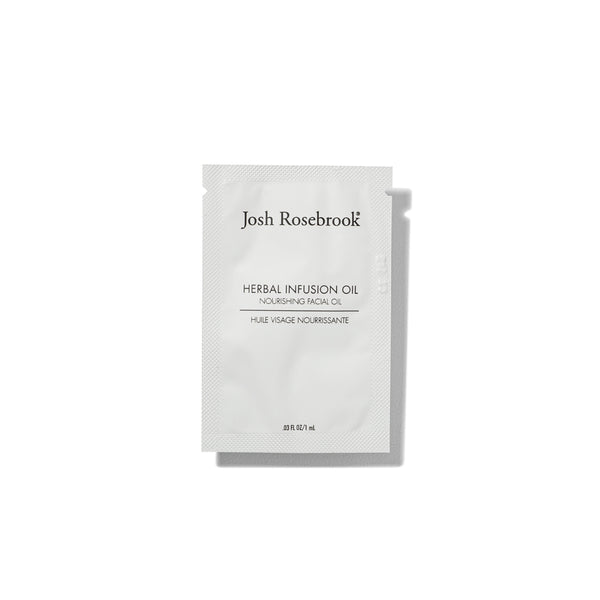
Plant oils work here because they mimic the skin's own sebum. Lightweight, non-comedogenic oils sink in and reinforce the surface rather than sitting greasy on top. The Herbal Infusion Oil in the facial oils range is nutrient-dense and light, which makes it a simple sealing step for a glow that doesn't look oily. For evenings, the Active Infusion Oil adds a retinoid and vitamin C if you want a treatment step.
Why Plant Oils Give Glow Without Grease
The reason oil doesn't ruin a dewy look comes down to how it interacts with your skin. Sebum is the oil your skin makes to stay protected and supple. Plant oils, the botanical actives at the heart of these formulas, share a similar fatty-acid profile, so they blend in instead of pooling on the surface.
That's why a thin layer of the right oil reads as a healthy, lit-from-within glow rather than shine. It reinforces the skin's acid mantle, slows water loss, and leaves a smooth, light-reflecting surface. Used in moderation, oil is what gives the finish its staying power. On dewy skin, that thin film is the difference between a glow that lasts and one that fades by lunch, and it keeps the complexion looking radiant rather than flat.
Glass Skin Routine Steps, Refined Over Time
A dewy surface is easier to build when the skin underneath is smooth. Two habits make the biggest difference: gentle exfoliation and consistent hydration. Both set up dewy skin that holds rather than fades.
Clear Dead Skin Cells Gently
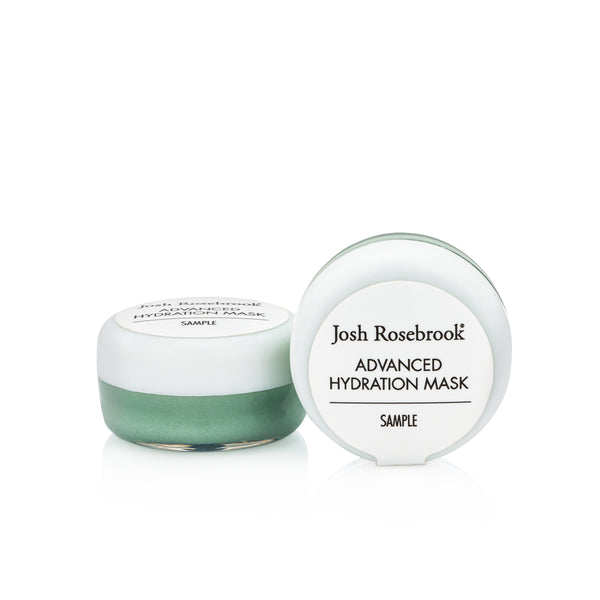
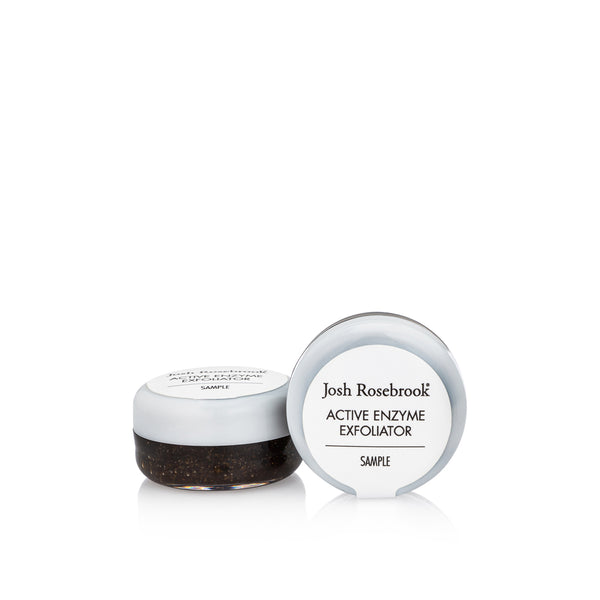
A buildup of dead skin cells scatters light and blocks absorption. One to two times a week, use a gentle chemical exfoliant or an enzyme treatment to refine skin texture without stripping. The Active Enzyme Exfoliator in the exfoliating and hydrating masks collection smooths the surface so hydration sinks in and light reflects evenly. For a midweek moisture boost, the Advanced Hydration Mask supports a plumper, more radiant complexion.

Protect the Glow With SPF
Sun damage degrades the smooth, hydrated surface that makes skin look dewy, and UV exposure speeds visible texture changes over time. Finish every morning routine with sunscreen of at least SPF 30, and reapply roughly every two hours when you're outdoors. Sun protection keeps the results of your layering intact. No layering routine survives unprotected sun exposure, so daily sunscreen isn't optional. A broad-spectrum sunscreen also slows the texture changes that dull dewy skin over months.
How To Get Glowing Skin Naturally, From the Inside
Topical layering sets the surface, but glowing skin also reflects what happens beneath it. A few daily habits support dewy skin from within.
-
Drink water consistently through the day to support hydration.
-
Sleep seven to nine hours so skin can repair overnight.
-
Eat omega-3 rich foods, which support skin elasticity and a calm, comfortable surface.
-
Include vitamins C, A, and E from food to support healthy skin.
-
Ease back on excess sugar, caffeine, and alcohol.
None of this replaces a good routine, but it compounds with one. Skin that's supported inside and out holds a radiant finish far better than skin relying on products alone.
Frequently Asked Questions
How Can I Glow in 7 Days?
A week is enough to see a difference if you commit to the basics. Hydrate morning and night with the layering steps above, exfoliate once gently to clear dead skin cells, drink water, and protect with SPF daily. Most people notice a softer, more radiant complexion within several days, with visibly clearer dewy skin inside a couple of weeks.
Why Does My Makeup Never Look Dewy?
Usually it's the base. Heavy powder formulas absorb light and flatten the finish, so skin looks matte or cakey instead of dewy. Switch to lightweight, luminous makeup formulas, prep with well-hydrated skin, and set with a dewy-finish setting spray rather than loose powder. A light mist over makeup revives the glow if it fades during the day. If you wear makeup daily, build it on a fully absorbed skincare routine; makeup grips hydrated skin far better and looks dewy instead of powdery. Reach for cream blush and a liquid highlighter over matte powder makeup to hold the dewy effect.
Is a Dewy Look Possible on Oily Skin?
Yes. Oily skin often needs hydration as much as dry skin, since excess oil can be the surface response to dehydration underneath. Use lightweight, non-comedogenic layers, go easy on the sealing oil, and blot the high points with blotting papers if shine builds. The aim is a dewy complexion, not a greasy one.
Dewy skin isn't about chasing a trend or buying more. It's a few well-chosen layers, applied in the right order, repeated until it becomes second nature. Start with hydration, seal with a light plant oil, and let consistency do the rest. Build your routine with the right mist, serum, moisturizer, and oil for dewy skin that lasts.




WRITTEN BY Josh Rosebrook