Ceramides are among the most important lipids in healthy skin, yet most people only notice them once their skin starts to feel tight, rough, or reactive. So what are ceramides for skin, and why do they matter this much? In short, they're the fats that hold your skin cells together and keep moisture where it belongs.
Think of your skin barrier as a brick wall. The skin cells are the bricks, and ceramides are the mortar sealing the gaps between them. When that mortar runs low, skin loses water, feels dry, and reacts more easily to its surroundings. Knowing how ceramides work is the first step toward a skincare routine that supports the barrier instead of stripping it.
What Are Ceramides, and What Do They Do for Skin?
Ceramides are a family of lipids that sit in the outermost layer of skin, the stratum corneum. They make up about 50% of the skin's lipids, which shows how central they are to barrier function. Alongside fatty acids and cholesterol, ceramides form the protective layer that keeps water in and external irritants out.
There are around 12 types of ceramides found in skincare products, and your body makes several skin-identical versions of its own. These ceramides do quiet, important work.
They hold the structure of skin together, support skin hydration retention, and help keep your skin soft through the day. You can read how each active functions in our ingredient glossary.
How Ceramides Hold the Skin Barrier Together
The skin barrier, sometimes called the acid mantle, is built on a brick-and-mortar design. Skin cells stack like bricks while ceramides, fatty acids, and cholesterol fill the spaces as mortar. This lipid barrier is what stops essential moisture from escaping and protects against environmental aggressors trying to get in.
Ceramides make up an estimated 30% to 40% of the outer layer by weight, so even a small drop changes how skin behaves. A strong skin barrier keeps skin hydrated, calm, and resilient, since healthy barrier function locks moisture in. A weakened one shows up as dryness, irritation, and sensitivity. This is why ceramides play such an important role in everyday skin health.
Why Ceramide Levels Drop With Age and Harsh Products
Your skin's ceramide levels aren't fixed. Aging is the biggest factor, since production slows over time and leaves skin drier and more fragile. This is one reason mature skin often feels tight and looks dull.

Daily habits matter too. Harsh cleansers, over-exfoliation, hot water, and exposure to environmental stressors deplete ceramides faster than skin can replace them. As ceramide levels fall, the barrier weakens, moisture loss climbs, and skin struggles to protect itself, turning prone to dryness and irritation.
For skin that already feels tight, our dry and dehydrated skin collection pairs oil-rich textures with water-binding humectants, since dry skin lacks oil while dehydrated skin lacks water.
The good news is you can restore lost ceramides through consistent skin care, and the right skincare products make that simple.
Ceramides Skin Benefits
The ceramides skin benefits come down to one thing: a barrier that works. When ceramide levels are healthy, skin holds water better, stays comfortable, and defends itself against daily wear. These benefits build with steady use, not overnight. On dry skin, the difference in comfort is quick to notice.
Here's how the benefits of replenished ceramides show up for skin health:
-
Lock in moisture to keep skin hydrated and supple through the day
-
Reinforce the skin barrier so it can protect skin from toxins and pollution
-
Help restore and repair dry and irritated skin by refilling depleted ceramides
-
Support healthy-looking skin across most skin types, including oily skin
-
Reduce moisture loss that leads to flaking, tightness, and itchy skin
Because they're part of skin's own structure, ceramides suit reactive and redness-prone skin as well as drier types, which is why our sensitive skin range leans on barrier-first formulas.
How To Increase Ceramides in Skin
Learning how to increase ceramides in skin comes down to two moves: stop stripping them, and add ceramides back through skincare. It works for most skin types, including oily skin and reactive skin. Gentle cleansing protects the lipids you already have, while ceramide-rich skincare products top up what age and harsh products take away.
A few practical steps for your daily skincare routine:
-
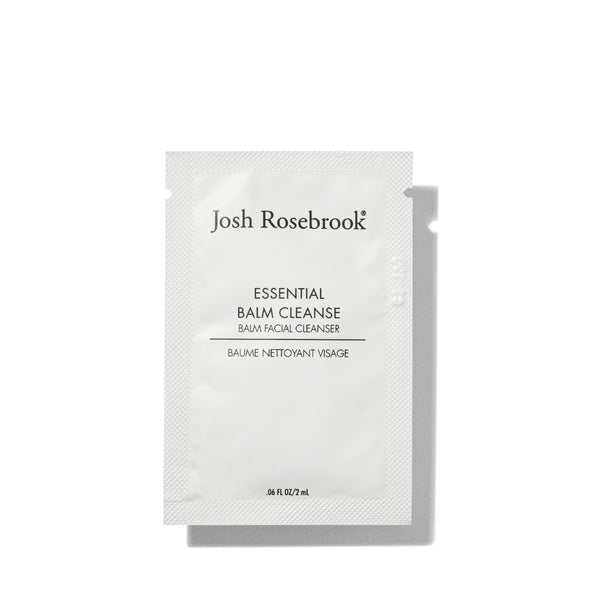
Cleanse with non-stripping cleansers that respect the barrier
-
Apply ceramide moisturizers to damp skin, which improves absorption
-
Layer facial oils to seal in lipids and slow moisture loss
-
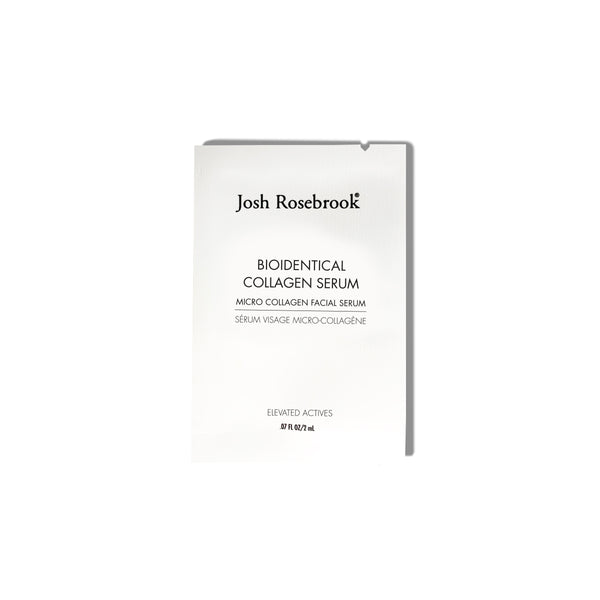
Choose barrier-supportive serums for lightweight daily support
Ceramides and ceramide-supporting lipids appear across moisturizers, serums, oils, and cleansers, so you can fold them into the routine you already follow. Plant-derived ceramides, often called phytoceramides, come from sources like rice and konjac and offer a plant-based way to replenish the barrier.
At night, reach for ceramide-supporting moisturizers that refill lost ceramides. Layer plant-based facial oils on top to seal everything in.
When skin needs more targeted support, add lightweight barrier-supportive serums to the mix and apply them before heavier textures.

Choosing Between Plant-Derived and Synthetic Ceramides
Not all ceramides come from the same source. Synthetic ceramides are made in a lab to copy the lipids skin produces, and they perform reliably. Plant-derived ceramides take a different route, drawn from grains and roots that supply the same barrier-building fats and help restore the barrier.
For a plant-based skincare routine, plant-derived ceramides and skin-identical ceramides offer a gentle, effective match for skin's own chemistry and long-term skin health. They sit well with sensitive and reactive skin types and pair with the emollient ingredients already found in oils and balms. The result is a skin barrier that feels supported, not coated.
Frequently Asked Questions About Ceramides
Which Is Better, Ceramides or Hyaluronic Acid?
Neither is better; they solve different problems. Hyaluronic acid is a humectant that pulls water into skin, which helps dehydrated skin that has lost water content. Ceramides are lipids that seal the barrier and hold that water in, which helps dry skin that lacks oil. Used together, they keep skin hydrated and comfortable.
What Cannot Be Mixed With Ceramides?
Ceramides are gentle and pair well with most skincare. There's no active they truly can't be mixed with. The one note is timing. When you use strong exfoliating acids or high-strength vitamin C, apply ceramides afterward so the barrier stays supported rather than overworked.
What Are the 3 Essential Ceramides?
The three essential ceramides most studied for skin are Ceramide NP, Ceramide AP, and Ceramide EOP. These three skin-identical ceramides closely match the lipids your skin already makes, so they absorb well and reinforce the barrier without irritation.
What Is an Example of a Ceramide?
A common example is Ceramide NP, also listed as Ceramide 3, found in many ceramide moisturizers and creams. Plant-derived options, the phytoceramides mentioned earlier, give the same barrier support from a plant-based origin.
Healthy skin starts with a barrier that holds together, and ceramides are the mortar that makes it possible. Replenish ceramides gently, protect them daily, and skin will hold moisture and stay calmer over time. Build your routine around formulas that support the skin barrier first.





WRITTEN BY Josh Rosebrook