
Skin cycling has moved from a viral idea into a routine that many people now follow nightly. The concept is simple. Instead of layering active ingredients every evening, you rotate them across a set schedule so your skin gets both treatment and rest.
For a plant-based skin care routine, skin cycling translates well. You keep the structure, the exfoliant night, the treatment night, and two recovery nights, while swapping conventional actives for plant-derived alternatives that respect the skin.
This guide walks through the skin cycling routine steps, explains who it suits, and shows how to adapt each night with organic, bioactive ingredients that support skin health rather than strip it.
What Is Skin Cycling?
Skin cycling is a four-night skin care routine that alternates between exfoliation, a treatment active, and two nights of recovery, sometimes called rest days. Rather than using active ingredients daily, which can compromise the acid mantle, the schedule builds in rest so the skin can repair. The standard four-night cycle works like this:
-
Night one: exfoliation
-
Night two: a retinoid or treatment active
-
Nights three and four: recovery and hydration
Then the cycle repeats. That structure is what makes skin cycling so approachable for beginners, because it removes the guesswork about when to use each skin care product. It also lowers the risk of over-exfoliation, a common cause of skin irritation and a weakened skin barrier.
Skin Cycling Routine Steps, Night by Night
Here is how the skin cycling routine steps play out across the four-night cycle. Each night has one job, and the order matters. Always begin with a gentle cleanser, morning and night, so the skin stays clean without stripping its oils.
Night One, The Exfoliant Night
The first night focuses on exfoliation. After cleansing, you apply a chemical exfoliant to remove dead skin cells and smooth uneven texture. Chemical exfoliants work gently here, unlike physical exfoliants that scrub the surface. Hydroxy acids are the main family.
Alpha hydroxy acids like glycolic acid loosen surface buildup, while beta hydroxy acids reach into the pores.
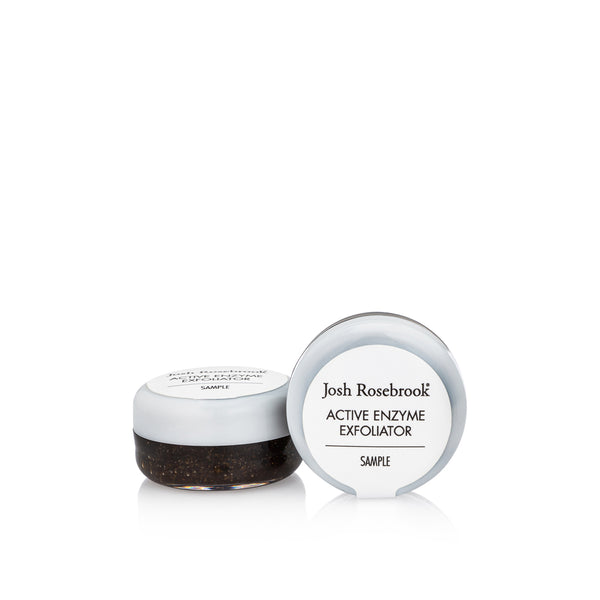
Plant-derived fruit acids and other exfoliating acids give the same renewal with a gentler touch, which is why a range of gentle exfoliating products suits this step. Use an exfoliating product no more than once per cycle to keep skin sensitivity low.

Night Two, The Treatment Night
The second night is traditionally the retinoid night. In conventional skin cycling, that means over the counter retinol or stronger topical retinoids, applied as a thin layer in a pea-sized amount across the entire face.
Retinoids speed cell turnover, which can soften fine lines and reduce signs of premature aging. They can also cause irritation at first, and pregnant women should avoid retinoids altogether.
You will find these gentler actives among targeted serums formulated to renew without harshness. Salicylic acid and similar treatment ingredients can also sit here for congestion-prone skin, used sparingly.

Nights Three and Four, Recovery Nights
The final two nights are for recovery, and they are where a plant-based routine shows its value. After cleansing, the goal is repair and recovery. No acids, no retinoids, just barrier support. Hydrate with emollients and humectants such as hyaluronic acid, which draws water into the skin, alongside plant oils that replenish lipids.
This is the moment to lean on nourishing facial oils that restore the lipid layer and seal in moisture. Apply a barrier-supportive moisturizer on damp skin to lock everything in, then pat dry gently rather than rubbing. Recovery nights calm the skin, ease skin irritation, and let the acid mantle rebuild before the next cycle.
Adapting Skin Cycling for a Plant-Based Routine
The strength of this method is how easily it adapts. This plant-based version keeps the four-night structure but reframes night two around botanical actives and gives the recovery phase a true barrier support routine. It also slots into an existing skin care regimen without a full overhaul. Swap synthetic chemical exfoliants for fruit-derived ones.
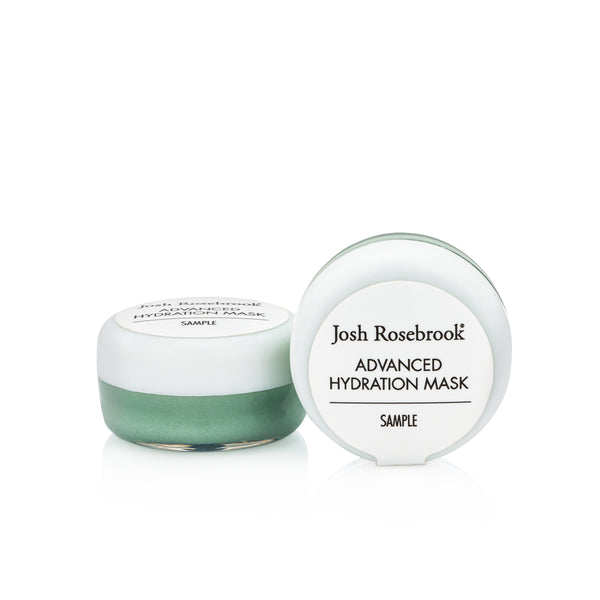
On those recovery evenings, a weekly treatment from a range of nourishing masks can deepen replenishment without disrupting the cycle. A balancing step also helps, since sweeping one of the brand's balancing toners across the skin after cleansing preps it to absorb what follows.

A bioactive-based skin care plan respects different skin conditions. Dry skin, a skin type that lacks oil, benefits from richer plant butters and oils. Dehydrated skin, a temporary condition where the skin lacks water regardless of skin type, responds to humectants like hyaluronic acid and aloe. Naming the difference matters, because the fix is not the same.
Is Skin Cycling Effective, and How Long Does It Take?
Skin cycling is effective because it works with the skin rather than against it. By spacing out active ingredients, it works by minimizing irritation and preventing the over-exfoliation that derails so many routines. Done consistently, it can improve skin texture and even out tone.
Most people notice smoother skin after a few cycles, and visible changes usually appear within four to eight weeks. Results depend on consistency and on choosing the right strength for your skin care routine. Start with low concentrations and build tolerance slowly.
If you experience irritation, add an extra recovery night. The method is flexible by design, which is part of why dermatologists consider skin cycling safe for most skin types when potentially irritating ingredients are introduced gradually.
Building Your Skin Cycling Routine
To start skin cycling, you need only a few skin care products. A gentle facial cleanser, one exfoliant, one treatment active, and a strong recovery duo of a hydrating moisturizer and an oil. Layer them in the right order and the skin care routine almost runs itself. Match the skin care products to your skin type.
Knowing how to skin cycle comes down to sequencing, so follow the brand's view of layering, set out in the seven phases of skin care, which moves from cleansing through treatment to moisture.
Keep mornings simple with a gentle cleanser and broad spectrum sunscreen, since sun protection matters whenever you use chemical exfoliators or retinoids. Listen to your skin as you go, and give your skin permission to rest on the recovery evenings.
A fragrance free, barrier repair focus on those nights keeps even reactive skin comfortable.
Skin Cycling FAQs
What Is the 4-2-4 Rule in Skincare?
The 4-2-4 rule is a double-cleansing method, not part of skin cycling. It involves four minutes of oil cleansing, two minutes with a water-based cleanser, and a four-minute rinse. Skin cycling, by contrast, is a four-night cycle of exfoliation, treatment, and recovery. The two can complement each other, but they solve different problems.
Is Skin Cycling Actually Effective?
Yes, for most people. The method lets active ingredients do their work while building in rest, which reduces irritation and supports steady results within your skin care regimen. Effectiveness comes down to consistency and using the right strength for your skin type.
How Long Does Skin Cycling Take to Work?
Most users see improved skin texture within four to eight weeks of a regular skin cycling routine. Tone and smoothness shift first, with longer-term gains in clarity. Patience matters more than intensity, and it rewards a steady skin care habit.
Can Sensitive Skin Try Skin Cycling?
Sensitive skin can try skin cycling with a few adjustments. Use lower concentrations, add extra recovery evenings, and choose plant-based actives over harsh ones. If you have very reactive skin, talk to a board-certified dermatologist before starting.
Does Skin Cycling Help Blemish-Prone Skin?
It can. Exfoliation on night one clears congestion and supports pore clarity, while recovery nights calm blemish-prone skin, support a more even look where dark spots linger, and prevent the dryness that often follows treatment. Avoid stacking too many actives, which can backfire on oily skin.
Find the right formula for every phase of your cycle and build your routine with bioactive, plant-based skin care from Josh Rosebrook.





WRITTEN BY Josh Rosebrook